In March 2025, the demolition of Black Lives Matter Plaza in Washington, D.C., began, erasing the bold yellow mural painted on 16th Street near the White House in 2020. The decision, driven by President Donald Trump’s administration and Republican pressure, has sparked intense debate, with some celebrating it as a rejection of divisive symbolism and others condemning it as an attack on racial justice. As a journalist, I aim to explore the motivations behind this move, its impact on communities, and the broader implications for America’s cultural landscape in July 2025.
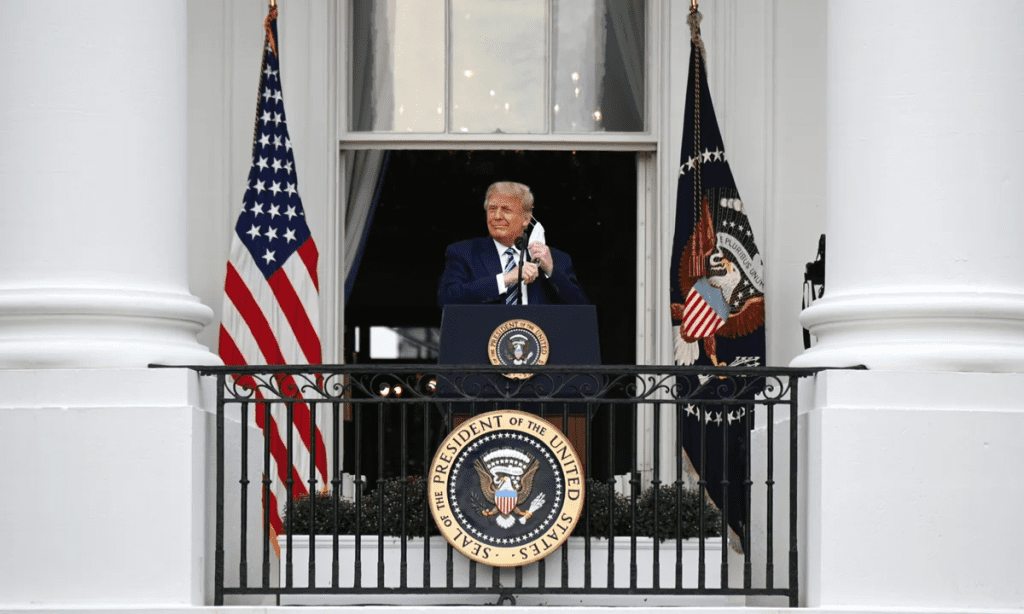
The mural, commissioned by Mayor Muriel Bowser after George Floyd’s murder, was a defiant response to Trump’s first-term actions, notably his use of tear gas to clear protesters for a photo-op. Spanning two blocks, it became a symbol of resistance and a gathering place for racial justice advocates. Its removal followed threats from Rep. Andrew Clyde to cut federal funding unless the plaza was renamed “Liberty Plaza.” Bowser, citing the need to avoid “meaningless congressional interference,” agreed to dismantle the mural, a process costing $610,000 and expected to take six weeks. For supporters, this aligns with Trump’s “America First” agenda, which includes policies like quadrupling ICE arrests and banning foreign flags at the Capitol, prioritizing national unity over what they view as divisive rhetoric.
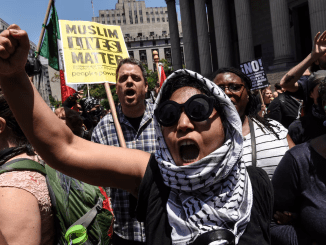
Critics argue the removal erases a powerful acknowledgment of Black humanity. Residents like Starlette Thomas, who salvaged a piece of the pavement, called it a “declaration of somebodyness,” mourning its destruction as a personal loss. The mural’s erasure is seen as part of a broader rollback of diversity initiatives, including Trump’s executive orders targeting DEI programs and freezing civil rights enforcement. Activists like Nadine Seiler, who protested with a sign reading “Trump Can’t Erase Us,” view it as an attempt to suppress Black voices, especially amid cultural battles over issues like Supreme Court ethics or congressional term limits.
The decision reflects Washington’s vulnerability to federal oversight, with the BOWSER Act threatening to revoke the city’s limited autonomy. Bowser’s shift from defiance to diplomacy, evident in her Mar-a-Lago visit, underscores the city’s financial dependence on Congress, facing a projected $1 billion shortfall from federal job cuts. Yet, local Black Lives Matter affiliates, who once called the mural “performative,” now decry Bowser’s capitulation, highlighting distrust across the spectrum.
In July 2025, the dismantling of Black Lives Matter Plaza symbolizes America’s deepening divide. Supporters see it as a step toward healing a nation fractured by “race hysteria,” while opponents view it as an assault on civil rights progress. As the nation grapples with crises like Hurricane Helene’s aftermath, the removal raises questions about whose history is preserved and whose is erased, shaping the ongoing fight for America’s soul.