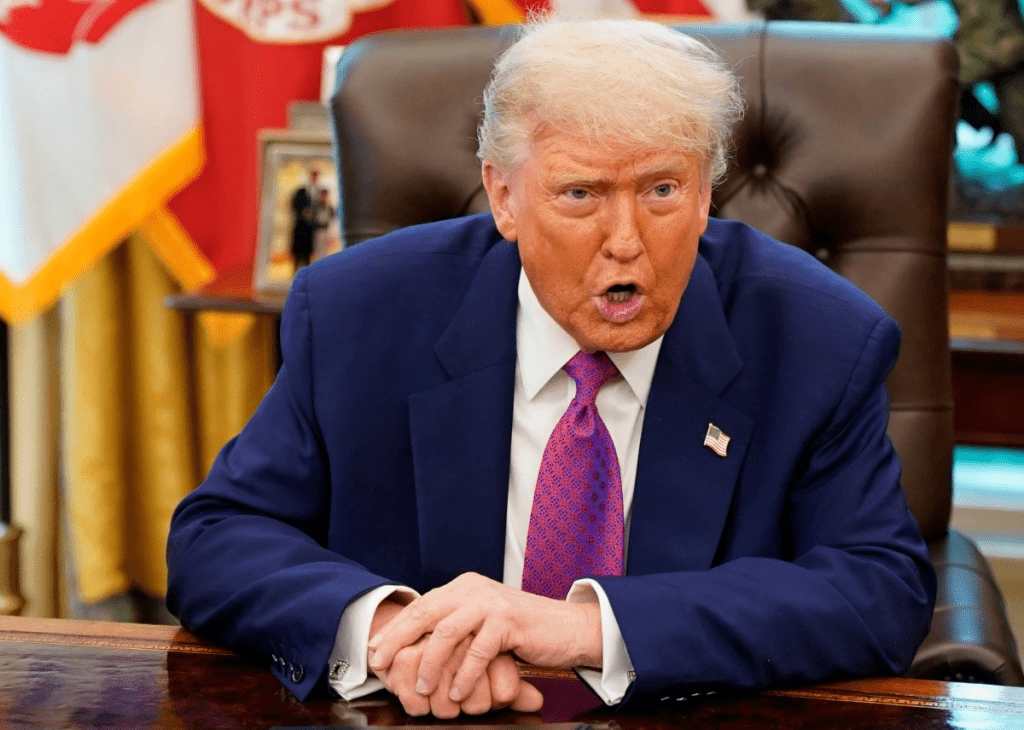
On July 4, 2025, President Donald Trump announced his desire to eliminate property taxes across all U.S. states, igniting fervent support among his base and sparking intense debate nationwide. Framed as a cornerstone of his “America First” agenda, the proposal promises to free homeowners from what Trump calls “rent to the government,” resonating with sentiments like, “I voted for this!” As a journalist, I aim to examine the implications of this ambitious plan, its economic feasibility, and the challenges it faces in reshaping America’s tax landscape.
Trump’s call to abolish property taxes aligns with his broader tax reform efforts, exemplified by the One Big Beautiful Bill Act, signed into law on July 4, 2025. This legislation extended the 2017 Tax Cuts and Jobs Act, raised the state and local tax (SALT) deduction cap to $40,000, and introduced breaks like no taxes on tips or overtime. However, the property tax proposal, not included in the bill, represents a far bolder leap. Property taxes, a primary revenue source for local governments, fund schools, roads, and public services. In 2023, they generated $700 billion nationwide, with states like Alabama relying heavily on them for education.
Supporters see the plan as a lifeline for homeowners, particularly middle-class families and retirees burdened by rising property taxes. In states like Texas, where property taxes rank among the nation’s highest, the proposal could stimulate consumer spending by freeing up disposable income. Trump argues that eliminating these taxes would boost economic growth and job creation, echoing his campaign promises of financial relief. The idea has gained traction in conservative circles, with lawmakers like Pennsylvania’s Russ Diamond advocating similar state-level reforms, calling property taxes an unfair perpetual cost on homeownership.
Critics, however, warn of dire consequences. Property taxes are a stable revenue stream for local governments, and their elimination could cripple public services. The Congressional Budget Office estimates that replacing this revenue would require massive federal funding or drastic spending cuts, potentially increasing the national debt, already projected to rise by $3.4 trillion from Trump’s existing tax cuts. Opponents also question how schools and infrastructure would be funded, especially in rural areas like Alabama, where alternatives like sales taxes could disproportionately burden lower-income residents. Economists argue that tariffs, Trump’s proposed revenue replacement, cannot sustainably cover such a gap.
The proposal’s path forward is uncertain. It would require congressional approval and state cooperation, a tall order given the reliance on local tax structures. While Trump’s base cheers the vision of true homeownership, skeptics demand concrete plans to avoid economic chaos. As debates unfold, the question looms: can Trump deliver on this promise, or will it remain a rallying cry? In July 2025, the push to abolish property taxes underscores the tension between bold reform and fiscal reality, shaping the nation’s economic future.