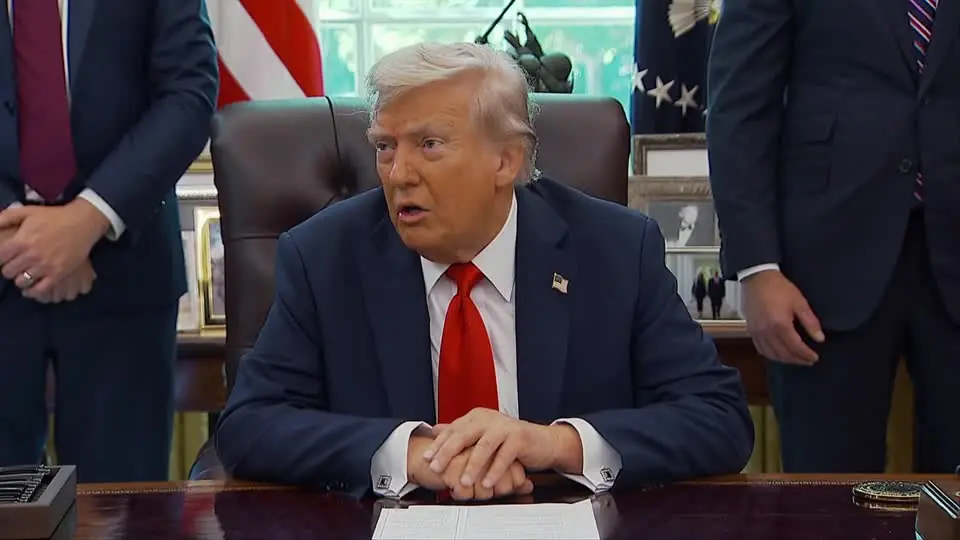
On September 1, 2025, President Donald Trump proposed reopening “insane asylums” to address severe mental illness, aiming to reduce street crime and homelessness. In a Daily Caller interview, Trump argued that deinstitutionalization, which began in the 1960s, released mentally ill individuals into society due to high costs, leaving cities like New York unsafe. He cited facilities like Creedmoor and Bellevue, falsely claiming the former was closed, and called for long-term psychiatric care, admitting it would be “massively expensive.” His July executive order already directed agencies to expand involuntary commitments, targeting the estimated 770,000 homeless, many with mental health or substance issues.
Supporters, including some psychiatrists like E. Fuller Torrey, argue that increasing psychiatric beds—currently at 36,000, far below the needed 160,000—could stabilize the severely ill, reducing jail cycles. Critics, like the ACLU’s Jennifer Mathis, warn of returning to abusive, inhumane asylums, noting that involuntary treatment lacks evidence and may deter care-seeking. A 2024 GAO report found outpatient treatments often ineffective, but experts like Keith Humphreys emphasize that federal authority over local mental health systems is limited. Trump’s plan, part of his D.C. crime crackdown, faces legal and financial hurdles, with states controlling most mental health facilities.
The proposal has ignited a national debate over balancing public safety and individual rights, with implications for cities like Chicago and Los Angeles.