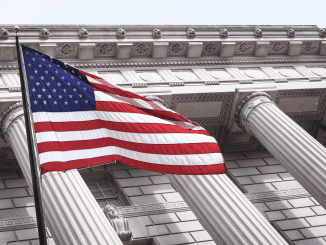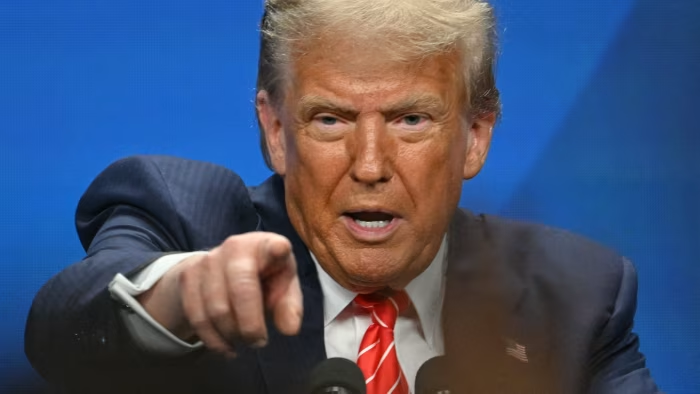
President Donald Trump has enacted a sweeping “One Flag Policy,” mandating that only the American flag can be flown at U.S. government buildings and embassies worldwide, effectively banning LGBTQ+ Pride and other activist flags. Issued by Secretary of State Marco Rubio on January 21, 2025, the directive reverses Biden-era policies that allowed Pride and Black Lives Matter flags to be displayed to signal inclusivity. The order permits two exceptions: the Prisoner of War/Missing in Action flag and the Wrongful Detainee flag, both recognized as national symbols. Violators face disciplinary action, including potential termination.
The policy has ignited fierce debate. Supporters argue it restores unity under the Stars and Stripes, emphasizing national identity over divisive causes. Critics, including Lambda Legal’s Kevin Jennings, call it “petty and mean-spirited,” arguing that Pride flags symbolize inclusion and human rights, particularly in nations where LGBTQ+ communities face oppression. The ban aligns with Trump’s broader agenda, including ending federal diversity programs and recognizing only two genders via executive order. During Biden’s term, Pride flags flew at embassies like Moscow and Nassau, often sparking local backlash but signaling U.S. support for marginalized groups.
Legal challenges are expected, with opponents citing free speech concerns and the symbolic role of embassies in global human rights advocacy. As the policy takes effect, it raises questions about America’s stance on inclusivity and its diplomatic image. Will this unify the nation or deepen divisions?