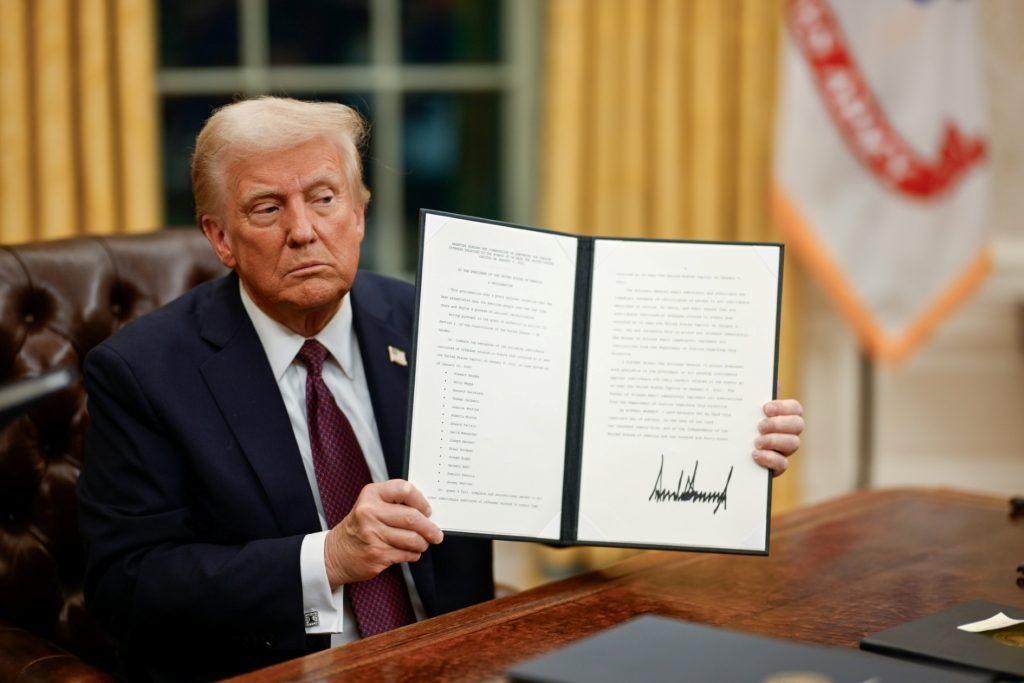
Washington, D.C., May 12, 2025 — President Donald Trump’s newest appointment has sent shockwaves through the capital, with conservative supporters heralding it as a long-overdue strike against the so-called “deep state.” On May 11, Trump named former federal prosecutor Sidney Powell as a special counsel to investigate alleged corruption within federal agencies, a move that has reignited debates over the influence of career bureaucrats and the limits of executive power.
Powell, a vocal advocate for Trump’s claims of election fraud in 2020, has been tasked with probing what the administration calls “entrenched corruption” in agencies like the FBI, DOJ, and State Department. The White House press release stated that Powell’s mandate includes examining “rogue actors who undermine the will of the American people,” a clear reference to Trump’s long-standing narrative of a deep state—a shadowy network of career civil servants allegedly working against his agenda. Trump celebrated the appointment on Truth Social, writing, “Sidney Powell will expose the deep state like never before. It’s about time!”
The appointment comes amid Trump’s broader campaign to reshape the federal government. Since taking office in January 2025, he has reissued Schedule F, an executive order allowing the reclassification of federal workers into political appointees, making them easier to fire. This has already led to thousands of dismissals, with critics warning of a return to a 19th-century “spoils system” where loyalty trumps merit. Powell’s role as special counsel signals a new front in this battle, focusing on high-profile investigations that could target current and former officials.
Conservative voices have cheered the move. On X, users praised Powell’s appointment as a necessary step to dismantle what they see as a bureaucracy resistant to Trump’s policies, with some calling it a “game-changer” for government accountability. However, the decision has drawn sharp criticism from Democrats and government watchdogs, who argue it’s a politically motivated witch hunt. Rep. Jamie Raskin (D-MD) told CNN on May 11, “This is a blatant attempt to weaponize the Justice Department against Trump’s enemies. Powell has no credibility—she pushed baseless election fraud claims that were thrown out of every court.”
Powell’s history adds fuel to the controversy. In 2020, she was part of Trump’s legal team, famously claiming that voting machines were rigged by a conspiracy involving Venezuelan dictator Hugo Chávez—who had been dead for seven years. Her lawsuits were dismissed, and she faced defamation lawsuits from Dominion Voting Systems, though she later claimed her statements were protected speech. Critics question her fitness for the role, pointing to her lack of prosecutorial experience in recent years and her disbarment proceedings in Texas, which are still pending.
The appointment also raises legal questions. The role of special counsel typically requires independence from the administration, but Powell’s close ties to Trump—coupled with Attorney General Pam Bondi’s reported involvement in her selection—suggest a lack of impartiality. Max Stier of the Partnership for Public Service warned in a statement, “This move erodes the principles of a merit-based civil service, which has been a cornerstone of effective governance for over a century.”
Trump’s war on the deep state isn’t new. During his first term, he frequently clashed with career officials, from FBI Director James Comey to intelligence leaders, accusing them of sabotaging his presidency. A 2022 probe by special counsel John Durham into alleged deep state misconduct during the 2016 election found little evidence to support Trump’s claims, resulting in two acquittals and one probation sentence. Yet, Trump’s base remains convinced of a conspiracy, a belief Powell is likely to amplify.
As Powell begins her work, the implications are profound. Her investigations could lead to high-profile indictments, further polarizing an already divided nation. But they also risk undermining public trust in federal institutions, especially if perceived as politically driven. For now, Washington braces for what’s next in Trump’s unrelenting campaign to reshape the government in his image.