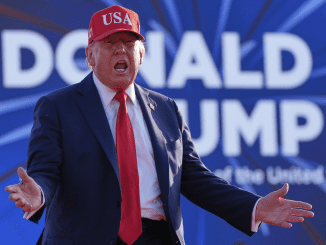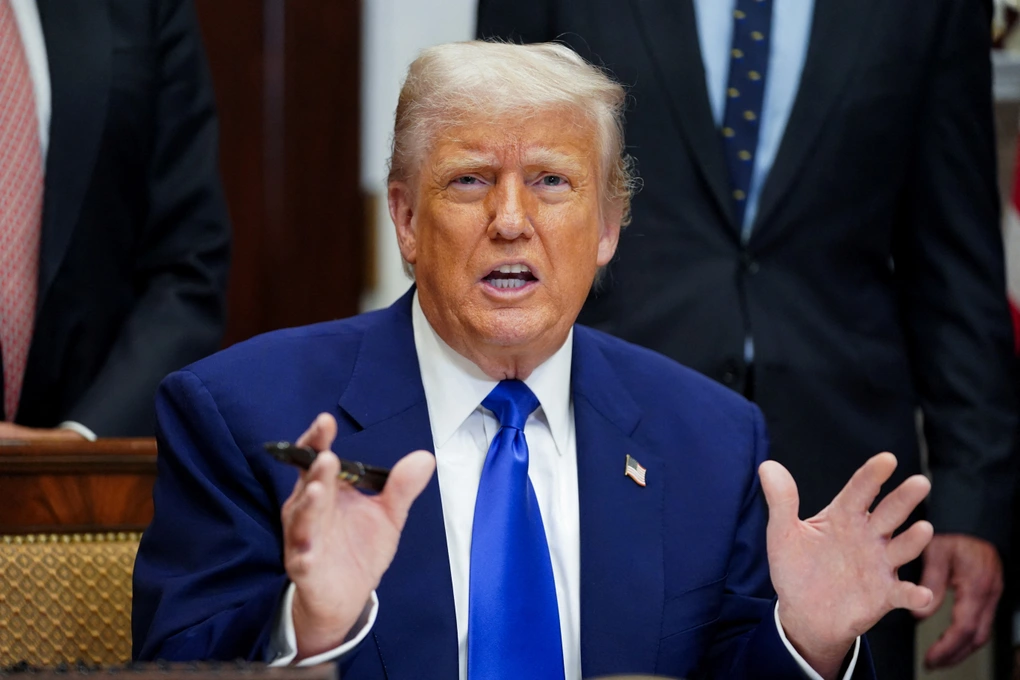
On June 22, 2025, President Donald J. Trump’s precision strikes on Iran’s nuclear facilities at Fordow, Natanz, and Esfahan sent a resounding message: the United States will not tolerate a nuclear-armed Iran. The operation, which obliterated Tehran’s enrichment capabilities without a single leak, stands in sharp contrast to the approach of previous administrations, particularly the Obama era’s controversial payments to Iran. For many Americans, this shift from diplomacy laced with cash to decisive military action reflects a bolder, more effective stance—one they’d rather see in the White House.
The strikes, executed by U.S. B-2 bombers wielding bunker-buster munitions, targeted Iran’s nuclear program at a critical juncture. The International Atomic Energy Agency reported in 2024 that Iran had amassed over 400 kilograms of uranium enriched to 60%, nearing weapons-grade levels. Tehran’s defiance, including barring inspectors and launching missile attacks on Israel, demanded action. Trump’s response—swift, secretive, and surgical—neutralized the threat without civilian casualties, earning praise from allies like Israel and reinforcing his campaign pledge to prevent a nuclear Iran.
This approach marks a dramatic departure from the Obama administration’s 2015 Joint Comprehensive Plan of Action (JCPOA), which critics deride as appeasement. The deal, aimed at curbing Iran’s nuclear program, unfroze $150 billion in Iranian assets and included a 2016 payment of $1.7 billion in cash, ostensibly to settle a decades-old dispute over undelivered military equipment. Critics, including Trump, blasted these payments as a ransom for American hostages released concurrently, arguing they emboldened Iran’s regime. The cash, delivered in unmarked planes, became a symbol of weakness, with fears it funded Iran’s proxy wars and missile programs.
Trump’s supporters see his strikes as the antidote to such policies. Rather than rewarding Iran, he dismantled its nuclear infrastructure, signaling zero tolerance for aggression. A 2025 Rasmussen poll shows 58% of Americans approve of the strikes, with many echoing the sentiment that a president who acts decisively is preferable to one who pays adversaries. The operation’s success, driven by secrecy and a tight circle of advisors like Defense Secretary Pete Hegseth, underscores Trump’s distrust of diplomatic carrots, especially after Iran’s post-JCPOA violations.
Defenders of the Obama approach argue that payments and diplomacy bought time, delaying Iran’s nuclear progress without war. They note the JCPOA’s inspections regime, which Trump’s withdrawal in 2018 ended, arguably accelerating Iran’s enrichment. The $1.7 billion, they insist, was Iran’s own money, not a bribe, and resolved a legal dispute while securing hostages. Critics of Trump’s strikes, including Democratic leaders like Hakeem Jeffries, warn of escalation, pointing to Iran’s threats of retaliation and potential oil market disruptions. They argue diplomacy, however imperfect, avoids such risks.
Yet the public’s mood in 2025 favors strength over conciliation. The memory of cash pallets juxtaposed with Iran’s continued hostility fuels skepticism of payments. Trump’s strikes, by contrast, project resolve, particularly after years of perceived U.S. retreat under Obama and Biden. The Biden administration’s 2023 release of $6 billion in frozen Iranian funds for humanitarian aid, tied to another hostage deal, further inflamed critics who saw it as repeating Obama’s mistakes. Iran’s subsequent missile attacks on Israel only validated their concerns.
The strikes’ broader implications are unfolding. They’ve reset Iran’s nuclear clock, giving diplomacy a chance under Trump’s terms: no enrichment, no weapons, no terrorism. But risks remain—Hezbollah’s threats, potential cyberattacks, and oil price spikes loom. Trump’s approach, while decisive, bypasses the multilateralism Obama favored, straining ties with European allies who backed the JCPOA. A 2025 Gallup poll shows 62% of Americans prioritize preventing a nuclear Iran over global consensus, aligning with Trump’s America First doctrine.
The debate boils down to philosophy: pay to delay or strike to destroy. For many, Trump’s choice to drop bombs rather than dollars is a refreshing assertion of power. As one voter put it, “I’d rather have a president who stops Iran cold than one who sends them cash.” In a White House address, Trump declared, “We didn’t pay Iran—we ended their nuclear threat.” As the world watches Iran’s next move, the contrast between bombs and payments defines America’s crossroads, with Trump’s gamble shaping the future.