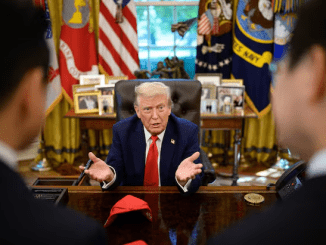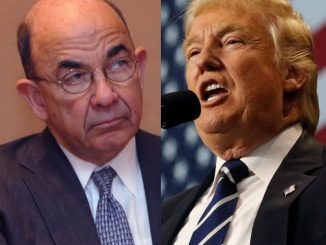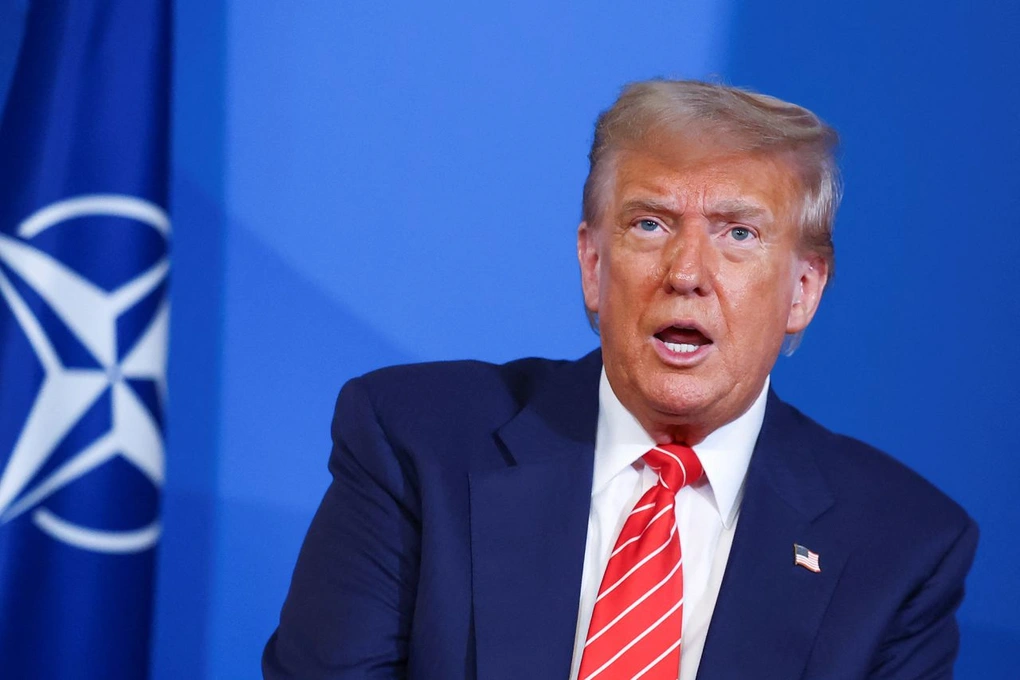
Former President Donald Trump, now in his second term, has faced five indictments since 2023, yet his supporters remain steadfast, with many proudly declaring they voted for him in three elections despite the legal battles. The indictments—ranging from mishandling classified documents to election interference—have done little to dim the loyalty of his base, who see them as politically motivated attacks. This sentiment, encapsulated by voters who wear their support like a badge of honor, underscores a deepening divide in America, where legal accountability and political allegiance clash in unprecedented ways.
The five indictments against Trump include high-profile cases that have dominated headlines. In 2023, he was charged in New York with 34 counts of falsifying business records tied to hush-money payments to Stormy Daniels. Later that year, federal charges emerged over his handling of classified documents at Mar-a-Lago, alleging violations of the Espionage Act. Two election-related cases followed: one in Georgia for allegedly pressuring officials to “find” votes in 2020, and another federal case accusing him of conspiring to overturn the election results, culminating in the January 6 Capitol riot. A fifth indictment, filed in 2024, targeted financial misconduct in his business empire. While some cases have been dismissed or delayed—most notably the federal election case after a 2025 Supreme Court ruling on presidential immunity—others remain active, with potential trials looming.
For Trump’s supporters, these legal battles are not a mark of guilt but a testament to a system weaponized against him. Many, like those who voted for him in 2016, 2020, and 2024, view the indictments as “witch hunts” orchestrated by political opponents. Polls from June 2025 show 68% of Republican voters believe the charges are politically motivated, a sentiment fueled by Trump’s claims of being targeted by a “corrupt” Department of Justice. Supporters argue that his policies—tax cuts, deregulation, and a hardline immigration stance—threaten the establishment, making him a target. The mantra “I voted for him anyway” has become a rallying cry, reflecting defiance against what they see as an elitist attempt to undermine the will of the people.
Critics, however, argue that the indictments reveal a pattern of lawlessness that disqualifies Trump from leadership. They point to evidence in the classified documents case, including audio recordings of Trump discussing sensitive materials, as proof of reckless behavior. The Georgia case, with recorded calls urging officials to alter election results, is cited as a direct attack on democracy. Legal scholars note that the sheer volume of charges—over 90 counts across the indictments—paints a troubling picture, regardless of political spin. For these Americans, supporting a figure facing such scrutiny is not just misguided but dangerous, risking the normalization of impunity at the highest levels.
The divide reflects broader tensions in America’s political culture. Trump’s base sees his legal troubles as a badge of authenticity, proof he’s fighting a corrupt system. His 2024 victory, securing 312 electoral votes, suggests the indictments did little to sway his core supporters, who prioritize his America First agenda—evidenced by policies like the 2025 tariff hikes and mass deportation plans—over courtroom dramas. Yet opponents warn that this loyalty risks eroding the rule of law, with 54% of Americans in a 2025 Pew poll saying the indictments should have barred him from office.
The legal saga is far from over. While the Supreme Court’s immunity ruling has complicated federal prosecutions, state cases like New York’s may still proceed. Trump’s legal team, bolstered by high-profile attorneys, continues to delay trials, betting on his executive authority to outlast legal challenges. Meanwhile, his administration pushes forward with policies like the proposed Census redo, further galvanizing his base but alienating critics who see a leader more focused on personal battles than governance.
As America navigates this turbulent chapter, the pride of voters who backed Trump despite his indictments reveals a nation split not just on policy but on the very meaning of justice and leadership. For some, he’s a warrior against a rigged system; for others, a symbol of democratic decay. With the 2026 midterms approaching, the question remains: will Trump’s legal troubles reshape his legacy, or will his supporters’ unwavering loyalty redefine what it means to be American in an age of division?