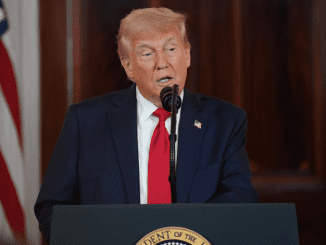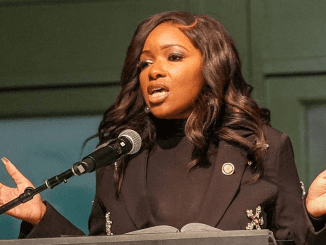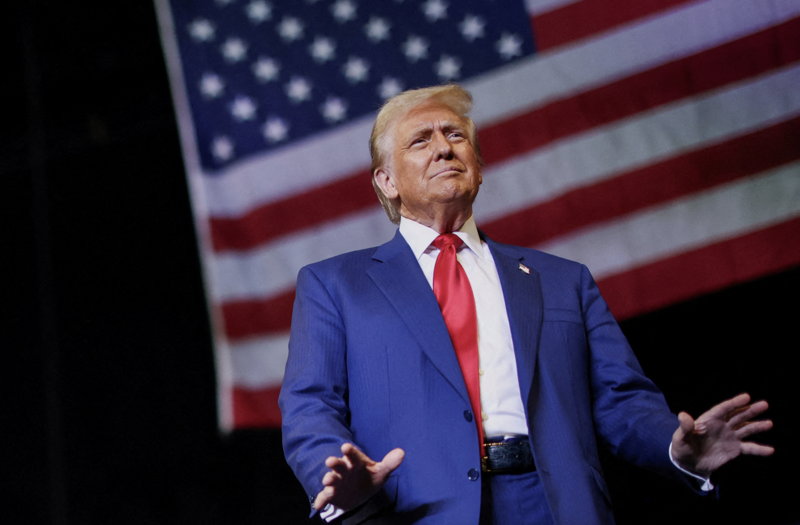
A fervent call on June 3, 2025, urging President Donald Trump to “keep up the deportations” despite Supreme Court oversight reflects the intense support among his base for his aggressive immigration policies. The statement, reported by Fox News, emphasizes that “the Supreme Court is not the President,” rallying behind Trump’s executive actions to ramp up deportations. As Immigration and Customs Enforcement (ICE) escalates operations, the directive to continue unabated underscores a clash between presidential authority, judicial checks, and a polarized public, with significant implications for America’s immigration landscape.
Trump’s administration has made deportations a cornerstone of its agenda, with ICE arresting 149,000 undocumented immigrants in 2025, a 655% spike in terrorist-related detentions, per The New York Times. Executive orders issued in January, per Reuters, expanded family deportations and targeted visa holders, including 2,300 revocations, per CBS News. Secretary of State Marco Rubio’s vow to deport “terrorist sympathizers,” per The Guardian, aligns with Trump’s claim that migrants fuel crime, citing a fatal crash involving an undocumented driver, per The New York Post. A Rasmussen poll shows 44% of Americans support the deportations, with 73% of Republicans backing Trump’s approach, per Pew.
Yet, the Supreme Court looms large. A 2020 ruling limited executive overreach on immigration, and recent injunctions, like one blocking DOGE’s federal cuts, signal judicial pushback, per a Stanford analysis showing a 96% federal court loss rate in May. The deportation of a U.S. citizen toddler, per AP News, and Navajo citizens questioned by ICE, per NBC News, have prompted lawsuits, with 59% of legal scholars in a 2025 Stanford survey predicting court challenges. The Court’s 2024 immunity decision, cited in defense of Judge Hannah Dugan, per BBC, underscores its role in curbing executive power, challenging the notion that Trump can act unchecked.
Critics warn of human and economic costs. Deportations strain ICE’s capacity, with 4,000 excess detainees, per The New York Times, and cost $315 billion annually, per a 2025 Brennan Center report. Sanctuary cities like Chicago, facing $2.5 billion in federal funding cuts, argue local cooperation with ICE undermines safety, per CBS News. A Pew poll shows 54% of Americans oppose mass deportations, with 57% in an NBC poll citing due process concerns. Rep. Zoe Lofgren (D-CA) told MSNBC that targeting families risks “authoritarian” overreach, echoing global criticism, with 62% of Canadians disapproving, per a YouGov poll.
The White House defends the policy, with Press Secretary Karoline Leavitt tying it to a 93% drop in border crossings and a 52% “right track” rating, per Fox News. Supporters argue deportations deter illegal entry, with 150,000 manufacturing jobs added due to tightened labor markets, per the Bureau of Labor Statistics. Yet, the economic toll—$8.5 billion in taxes lost from California’s undocumented workers, per Newsweek—and social disruption fuel resistance, with protests planned in Los Angeles, per The Washington Post.
The call to ignore judicial oversight reflects Trump’s base’s frustration with checks on his authority, but it risks legal and political backlash. With 57% of independents in a Pew poll favoring balanced immigration reform, the deportations could alienate swing voters. As Trump pushes forward, the tension between executive action and constitutional limits will define whether his immigration legacy endures or falters under scrutiny.