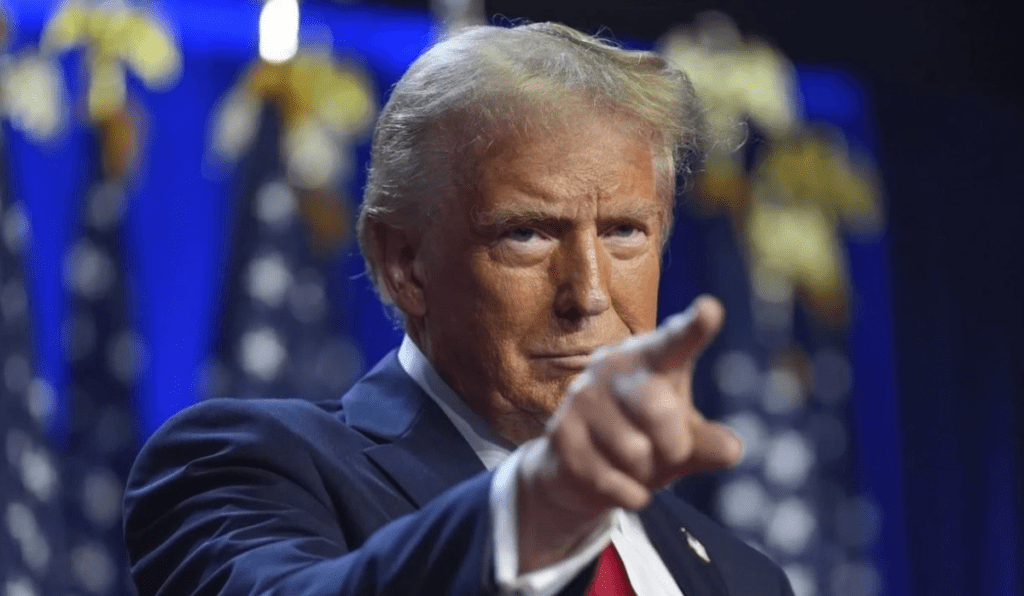
Since his January 20, 2025, inauguration, President Donald Trump has positioned himself as a relentless fixer of what supporters call the “giant mess” left by President Joe Biden. His administration points to a $26 billion budget surplus in June 2025, a stark contrast to Biden’s $227.7 billion deficit in June 2023, as evidence of fiscal recovery. Trump’s policies, including $113.3 billion in tariff revenue and the firing of 26,000 IRS agents, aim to streamline government and boost the economy. His mass deportation program, removing 158,000 undocumented immigrants, and the HALT Fentanyl Act, signed on July 17, 2025, underscore his focus on border security and public safety.
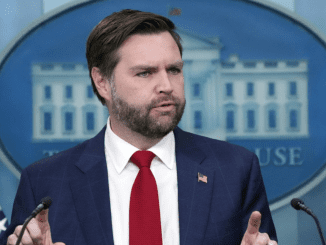
Supporters, including White House Press Secretary Karoline Leavitt, argue Trump’s decisive actions—like delivering Blackhawk helicopters to Texas flood responders in an hour—show unparalleled leadership. They claim Biden’s policies, from open borders to excessive spending, left America vulnerable, and Trump’s aggressive reforms are restoring strength. A July 2025 Gallup poll shows 46% of Americans approve of Trump’s performance, reflecting strong backing.
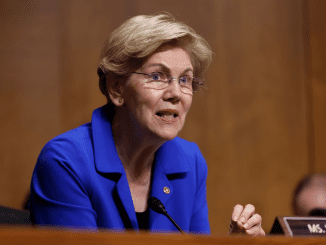
Critics, however, label Trump’s approach chaotic, citing potential $967 billion economic losses from deportations and disruptions from tariffs, which the Atlanta Federal Reserve estimates could cut GDP by 2.4% in Q1 2025. Democrats, like Senator Elizabeth Warren, argue his cuts to federal programs and media lawsuits, including a $16 million 60 Minutes settlement, threaten democratic norms. They dismiss the “mess” narrative as exaggerated, pointing to Biden’s infrastructure gains.
The debate over Trump’s cleanup efforts highlights America’s deep divide. Supporters see a hero tackling inherited chaos, while detractors view his policies as reckless, fueling accusations of “stupidity” among his critics. The outcome of Trump’s reforms will shape this polarizing narrative.