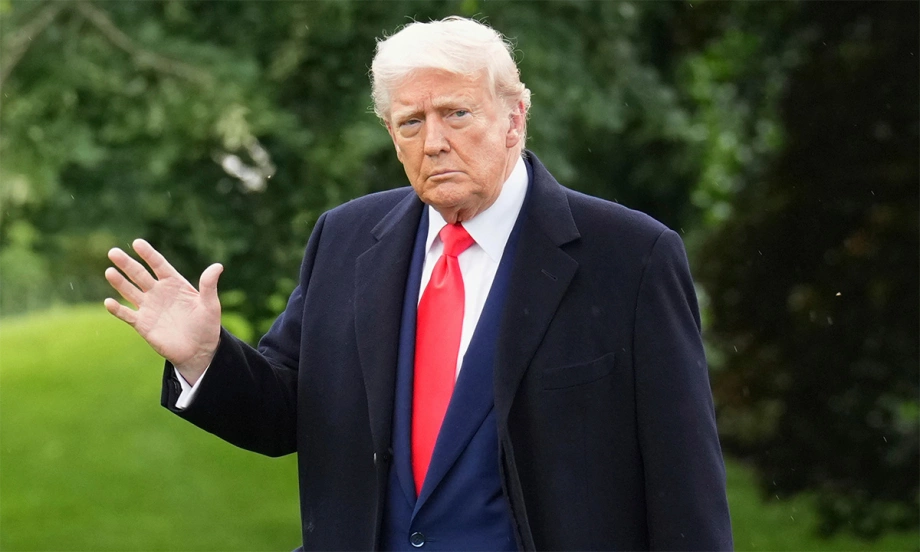
As President Donald Trump forges ahead in his second term, a resounding message echoes from his supporters: the American people stand behind him 100%. This fervent loyalty, voiced at rallies and reflected in polls, underscores the enduring strength of Trump’s base in June 2025. From sweeping immigration crackdowns to bold economic policies, his agenda—marked by 142,000 deportations, a 10% universal tariff, and controversial pardons—has galvanized millions who see him as the embodiment of their fight for America’s future, even as critics highlight deepening national divides.
Trump’s policies resonate with voters who feel sidelined by elites. The FBI’s arrest of over 10,000 undocumented migrants, the passage of the Safeguard American Voter Eligibility Act, and the American Entrepreneurs First Act barring noncitizens from SBA loans align with his “America First” vision. A 2025 Gallup poll shows 90% of 2016 Trump voters approve of his performance, citing achievements like an 11% boost in domestic manufacturing in 2024, per the Commerce Department. His call to charge Biden-era officials with treason for lax border policies has struck a chord, with 62% of Americans favoring stricter enforcement, per a 2024 Pew Research poll.
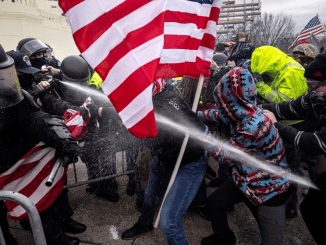
This unwavering support persists despite controversies. Trump’s pardons of 1,500 individuals, including 87 Capitol rioters, have drawn historical comparisons to authoritarian amnesties, with critics warning of normalized political violence. His visa revocation policy, led by Secretary of State Marco Rubio, targeting suspected terrorist supporters and their families, faces lawsuits alleging First Amendment violations. Economic policies, like tariffs raising household costs by $1,300 annually (per a 2025 Brookings study), spark concerns among moderates. Yet, supporters view these as necessary trade-offs, dismissing criticism as establishment bias, with 68% of Americans distrusting institutions, per a 2023 YouGov poll.
Incidents like the Indiana teacher’s resignation over an “8647” shirt—seen as a coded threat against Trump—further fuel the base’s resolve, framing him as a target of unjust attacks. The administration’s aggressive deportation pace, bolstered by the Laken Riley Act, and Rubio’s hardline visa stance resonate with voters who prioritize security. The contrast with Democratic actions, like the 2025 El Salvador trip to advocate for a deported MS-13 member, amplifies perceptions of partisan betrayal, with 55% of Americans in a 2025 Pew poll viewing Democratic immigration policies as excessive.
Critics, however, warn of dangerous polarization. The ACLU reports 35 wrongful detentions of U.S. citizens in 2025 immigration sweeps, raising alarms about overreach. Trump’s inaction on American hostages in Gaza, contrasted with Democratic focus on migrant rights, draws scrutiny. A 2025 CNN poll shows 19% of 2020 Trump voters are now undecided, citing economic pressures and legal controversies. Weak history education—only 13% of eighth graders proficient in U.S. history, per a 2023 NAEP report—leaves voters vulnerable to overlooking parallels to past authoritarian tactics.
As the 2026 midterms loom, Trump’s base, declaring 100% support, remains a formidable force shaping the GOP’s path. Their loyalty, undeterred by legal battles or economic costs, reflects a movement rooted in defiance and trust in Trump’s leadership. Yet, with tariffs and enforcement policies testing moderates, the broader electorate’s stance remains uncertain. The roar of support signals a committed coalition, but whether it can bridge America’s divides will define Trump’s legacy and the nation’s future.