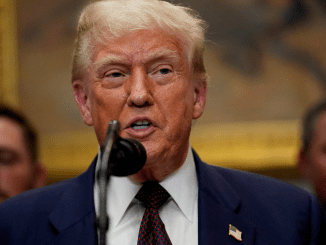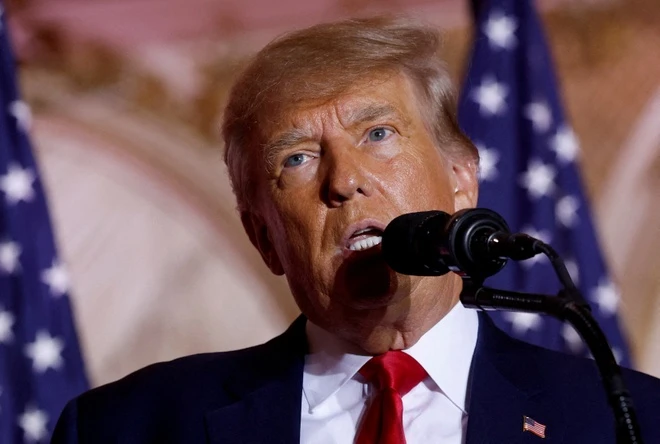
President Donald Trump’s nomination for the 2025 Nobel Peace Prize, announced in March by Rep. Darrell Issa (R-Calif.) and Ukrainian lawmaker Oleksandr Merezhko, has reignited debate over his foreign policy legacy. Cited for his role in the Abraham Accords and efforts to broker peace, Trump’s nomination comes amid his second term’s aggressive agenda, including 142,000 deportations and tariff hikes. As the Norwegian Nobel Committee prepares to announce the winner in October, the question looms: does Trump’s record merit the prestigious award, or is this another flashpoint in America’s polarized landscape?
Supporters argue Trump’s diplomatic achievements make a compelling case. The 2020 Abraham Accords, normalizing relations between Israel, the UAE, Bahrain, Morocco, and Sudan, marked a historic shift in Middle East dynamics, earning praise from Issa as “the most significant peace agreements in generations.” His 2017 provision of Javelin missiles to Ukraine, cited by Merezhko, bolstered resistance against Russia’s invasion. Treasury Secretary Scott Bessent and Rep. Elise Stefanik have lauded Trump’s push to end conflicts in Ukraine and Gaza, with a 2025 Gallup poll showing 90% of 2016 Trump voters approving his leadership. A 13.3% betting odds probability, per Oddschecker, reflects some optimism for his chances.
Critics, however, see the nomination as undeserved. Former National Security Adviser John Bolton, a vocal detractor, argues neither Trump nor Barack Obama, who won in 2009, merit the prize, citing Trump’s focus on personal glory over lasting peace. His 2025 Oval Office clash with Ukrainian President Volodymyr Zelensky, where Trump demanded gratitude for U.S. aid, and his inaction on Gaza hostages have drawn skepticism. Norwegian nominator Christian Tybring-Gjedde, who backed Trump in 2020, now doubts his chances, citing his dictatorial approach to Ukraine talks. A 2025 Pew poll shows 55% of Americans view his foreign policy as divisive, with 2024’s 338 nominees—including Japan’s Nihon Hidankyo, the 2024 winner—offering stiff competition.
The nomination’s timing raises questions. Issa’s March submission missed the January 31 deadline, likely targeting 2026, while Merezhko’s nod lacks specifics on new achievements. Trump’s call for Hamas to release 76 Gaza hostages, backed by four Israeli Nobel laureates offering to nominate him if successful, remains unfulfilled, with no clear progress by June 2025. His policies, like visa revocations for suspected terrorist supporters and a proposed Gaza displacement plan, have drawn global condemnation, complicating his “peacemaker” image.
Historical context adds complexity. The Nobel’s broad nomination criteria—open to lawmakers, academics, and past laureates—have included controversial figures like Joseph Stalin, highlighting its symbolic nature. Weak U.S. history education, with only 13% of eighth graders proficient per a 2023 NAEP report, may obscure parallels to past overreaches, like Trump’s 2020 call to shoot protesters. His focus on the prize, noted by CBS as a “hyper fixation,” suggests personal ambition may overshadow substantive peace efforts.
As the 2026 midterms approach, Trump’s nomination galvanizes his base but faces skepticism from moderates and critics. While the Abraham Accords remain a landmark, his divisive rhetoric and stalled peace efforts in Ukraine and Gaza undermine his case. The Nobel Committee’s decision will hinge on tangible results, not nominations. For now, Trump’s quest for the prize remains a polarizing symbol of his leadership—celebrated by some, questioned by many.