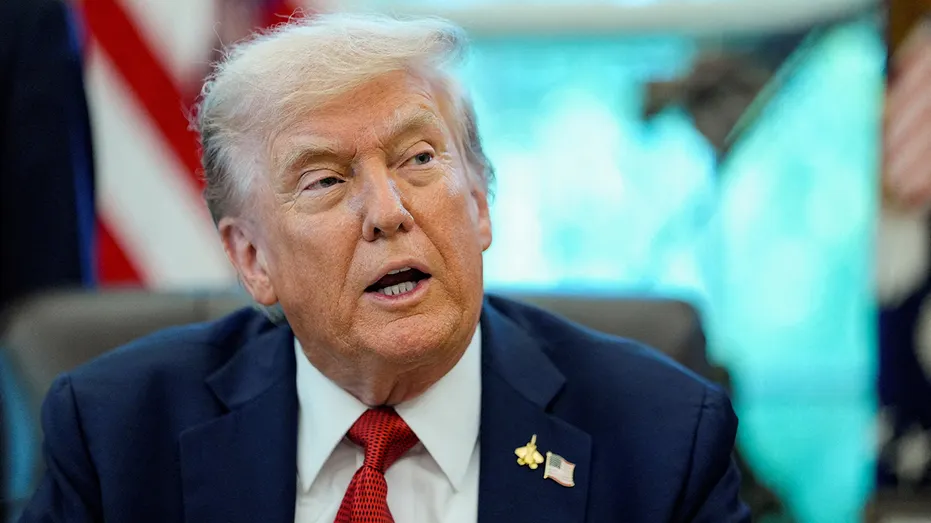
WASHINGTON – President Donald Trump signed an executive order Monday, swiftly overturning former President Joe Biden’s 2024 veto of the controversial Ambler Road Project in Alaska—a 211-mile gravel artery poised to pry open one of North America’s richest untapped veins of critical minerals. The move, hailed by mining advocates as an “economic gold mine,” thrusts the remote northwest interior into the spotlight, promising a deluge of copper, zinc, cobalt, and rare earths essential for batteries, semiconductors, and defense tech.
The Ambler Access Road, first greenlit under Trump’s initial term, would snake from the Dalton Highway through the Brooks Range foothills, slicing 26 miles across Gates of the Arctic National Preserve and fording 11 rivers. Biden’s Interior Department axed it over fears of devastating caribou herds and salmon spawning grounds, vital for Native subsistence hunters. Trump, flanked by Interior Secretary Doug Burgum at a White House signing ceremony, dismissed the block as “lawless obstruction.” “I signed this years ago, and Biden un-signed it for me,” Trump quipped to reporters. “It’s an economic gold mine, supplying energy and minerals we desperately need.”
The reversal isn’t solo: The administration is injecting $35.6 million into Canada’s Trilogy Metals, snagging a 10% stake and warrants for 7.5% more, fueling exploration in the Ambler Mining District. Home to over 1,700 claims, the belt boasts world-class deposits of copper, silver, gold, lead, and cobalt—metals where China holds 80% global sway. “Mine, baby, mine,” Burgum boomed, echoing Trump’s “drill, baby, drill” mantra, as agencies like the Bureau of Land Management and Army Corps of Engineers fast-track permits under streamlined rules.
Alaska’s GOP titans cheered: Gov. Mike Dunleavy touted “new jobs for Alaskans,” while Sens. Lisa Murkowski and Dan Sullivan lauded the national security win against foreign dependence. Trilogy CEO Tony Giardini called it a “turning point” for U.S. mineral self-reliance. Yet environmentalists recoiled. Sierra Club’s Athan Manuel warned of “significant harm to fragile landscapes and local communities,” vowing lawsuits to shield wildlife. Native groups, reliant on the land, eye renewed legal battles, decrying ignored subsistence rights.
This high-stakes pivot, amid Trump’s broader energy dominance push, could yield billions but risks ecological scars in pristine wilds. As federal teams redo environmental reviews, the road’s fate tests America’s mineral hunger against its wilderness ethos. With China looming, Trump’s bet: Progress demands passage.