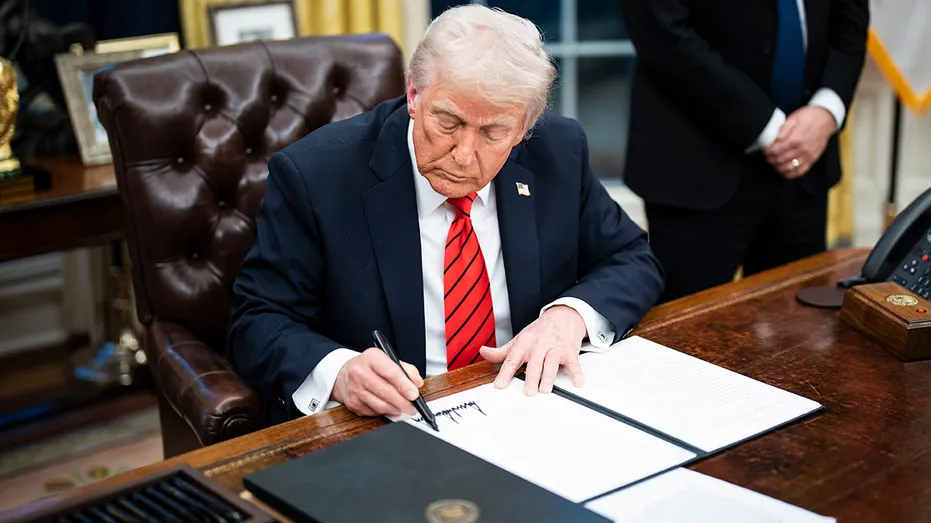
Washington, D.C. – President Donald Trump signed an executive order on November 14, 2025, modifying reciprocal tariffs on over 200 agricultural products, exempting staples like coffee, bananas, cocoa, and beef from the duties imposed earlier this year. The move, effective retroactively from November 13, aims to curb soaring grocery costs and reward progress in trade negotiations, delivering what the White House calls a “historic win” for American families.
The order updates Annex II of Executive Order 14257, originally enacted April 2 to combat persistent U.S. trade deficits with a 10% baseline tariff on most imports, plus country-specific hikes. Products not produced domestically in sufficient quantities—such as tropical fruits, tea, fruit juices, spices, oranges, tomatoes, and fertilizers—now dodge the levies. “Given substantial progress in reciprocal trade talks, including nine framework deals and two final agreements, it’s time to ease the burden on essentials,” a White House fact sheet declared, crediting pacts with Malaysia, Cambodia, Thailand, and Vietnam for unlocking U.S. market access abroad.
Trump’s Asia trip in October sealed deals that slashed tariffs on 100% of American goods in Cambodia, paving the way for this recalibration. Treasury Secretary Scott Bessent hailed it on CNBC as “smart economics,” projecting lower prices on coffee (up 15% year-over-year) and beef (facing 11.6% hikes due to herd shortages). Farmers in Iowa and Florida, hit hard by retaliatory tariffs, breathed relief, with one corn grower noting: “Finally, relief without losing our edge.”
Critics, however, see selective mercy. Democrats like Senate Minority Leader Chuck Schumer decried it as “band-aid politics” amid a Supreme Court challenge to the tariffs’ legality under the International Emergency Economic Powers Act. Consumer groups warn exemptions won’t fully offset inflation, with egg and dairy prices still climbing. As Trump’s second term dawns, this ag thaw tests his protectionist playbook: a pragmatic pivot to affordability, or a prelude to broader rollbacks? With holiday tables in sight, the order’s true harvest—cheaper carts or fleeting fix—remains to be seen.