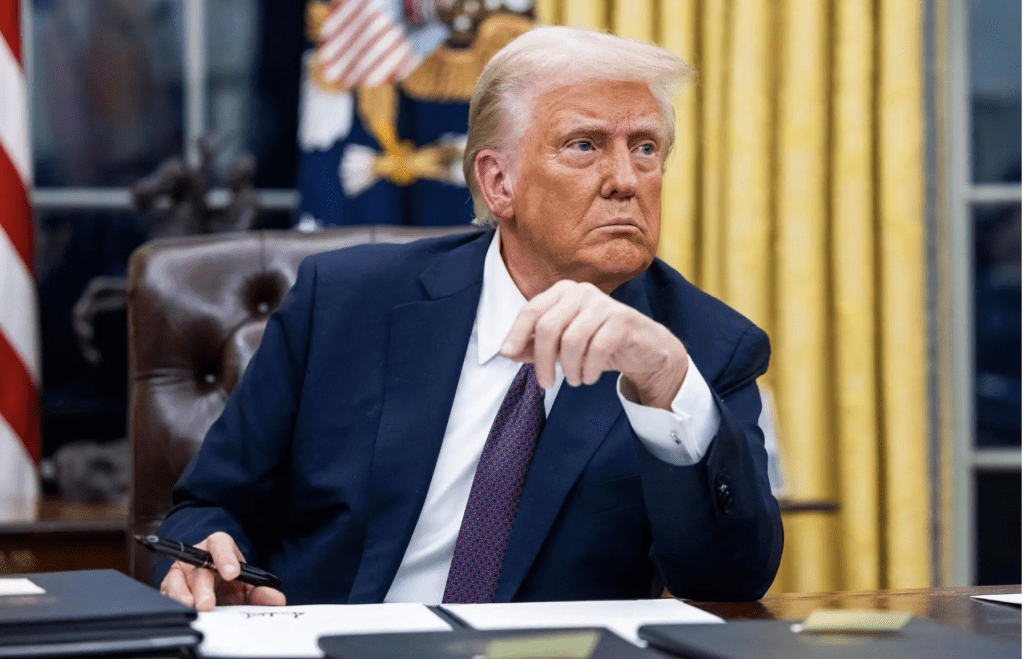
On June 7, 2025, President Donald Trump signed a presidential memorandum deploying 2,000 California National Guard troops to Los Angeles, escalating his administration’s response to protests against aggressive immigration raids. The move, bypassing Gov. Gavin Newsom’s objections, marks a rare use of federal authority to federalize state troops, drawing comparisons to historical interventions and raising alarms about civil liberties. As clashes intensify in Paramount and downtown Los Angeles, the deployment signals a bold assertion of Trump’s “America First” agenda, but critics warn it risks inflaming tensions in an already divided nation.
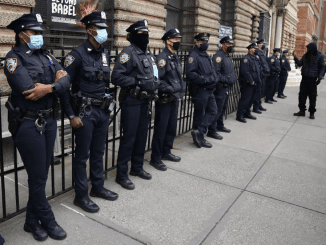
The decision follows two days of protests sparked by Immigration and Customs Enforcement (ICE) operations targeting workplaces like Home Depot and garment factories. On June 6-7, federal agents arrested at least 44 people, with estimates from the Coalition for Humane Immigrant Rights reaching 70-80. Protesters, chanting “Set them free, let them stay!” and waving Mexican flags, clashed with agents using tear gas and flash-bang grenades, with some hurling rocks and setting a car ablaze. The White House, calling the protests “violent mobs,” claims the deployment addresses “lawlessness,” with Trump’s border czar Tom Homan vowing “zero tolerance.” A 2025 Pew poll shows 62% of Americans support stricter immigration enforcement, bolstering Trump’s stance.
Newsom condemned the move as “purposefully inflammatory,” arguing local law enforcement, including the Los Angeles Police Department, had the situation under control. The deployment, authorized under Title 10 authority, places troops under federal command to protect ICE agents, not conduct law enforcement, due to Posse Comitatus Act restrictions. Legal scholar Steve Vladeck warns that without invoking the Insurrection Act, troops’ roles are limited, but their presence risks escalating violence. The last such federalization without a governor’s consent was in 1965, when President Lyndon Johnson sent troops to protect civil rights marchers in Alabama.
Supporters, citing Trump’s 90% approval among 2016 voters per a 2025 Gallup poll, see the deployment as fulfilling his promise to secure borders. Policies like the Safeguard American Voter Eligibility Act and 142,000 deportations in 2025 resonate with those demanding order. Defense Secretary Pete Hegseth’s threat to mobilize Marines from Camp Pendleton if unrest persists underscores the administration’s hardline approach. Yet, critics, including Sen. Alex Padilla, call it a “misguided mission” that erodes trust, with the ACLU noting 35 wrongful detentions in recent sweeps.
The protests, centered in Paramount and downtown Los Angeles, highlight deeper divides. A 2023 NAEP report shows only 13% of eighth graders proficient in U.S. history, suggesting limited awareness of past overreaches, like Trump’s 2020 call to shoot protesters, refused by Mark Esper. The deployment evokes memories of the 1992 Los Angeles riots, when National Guard troops were sent at the governor’s request. With 55% of Americans in a 2025 Pew poll viewing Trump’s policies as excessive, the move risks alienating moderates.
As the 2026 midterms approach, the deployment places Los Angeles at the center of Trump’s immigration crackdown, with ICE aiming for 3,000 daily arrests. While supporters cheer restored “law and order,” critics fear a chilling effect on free speech, especially after protester arrests. The clash between federal power and local resistance underscores a nation wrestling with security, rights, and the legacy of its leadership, with no clear resolution in sight.