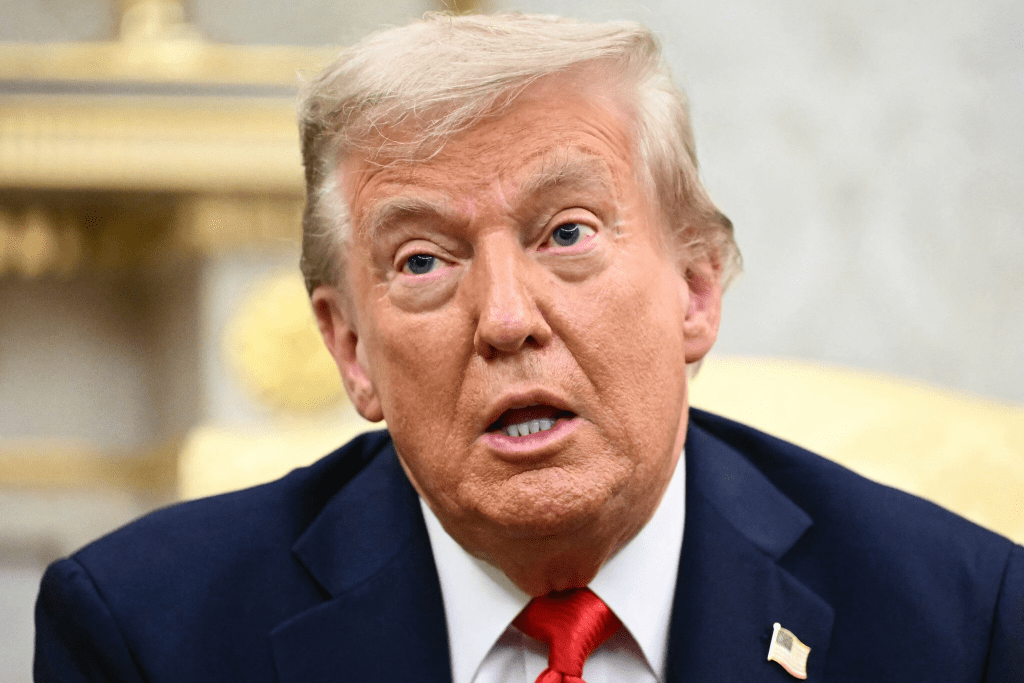
On August 27, 2025, President Donald Trump ignited a firestorm by calling for billionaire philanthropist George Soros and his son Alex to face federal charges under the Racketeer Influenced and Corrupt Organizations Act (RICO). In a Truth Social post, Trump accused the Soros family of funding “violent protests” across the U.S., claiming they’ve caused “great damage” to the nation alongside their “radical left” allies. The president provided no specific evidence to support his allegations, which the Open Society Foundations, founded by George Soros and now led by Alex, swiftly denounced as “outrageous and false.” The organization emphasized its commitment to peaceful protest and democratic principles.
The call for prosecution aligns with Trump’s escalating attacks on political adversaries, including recent probes into figures like John Bolton and Adam Schiff. Soros, a longtime target of conservative criticism for his support of progressive causes, has faced baseless conspiracy theories, often tinged with antisemitic undertones. Legal experts, including former prosecutor Neama Rahmani, argue that RICO charges, typically used against organized crime, require concrete evidence of criminal patterns, which appears lacking here. The accusations follow Soros’s receipt of the Presidential Medal of Freedom from Joe Biden in January 2025, further fueling tensions.
The controversy underscores deep political divides, with Trump’s base rallying behind his rhetoric while critics warn of threats to free speech and philanthropy. As the administration pushes its “America First” agenda, the Soros family remains a focal point of contention, with no clear path to prosecution.