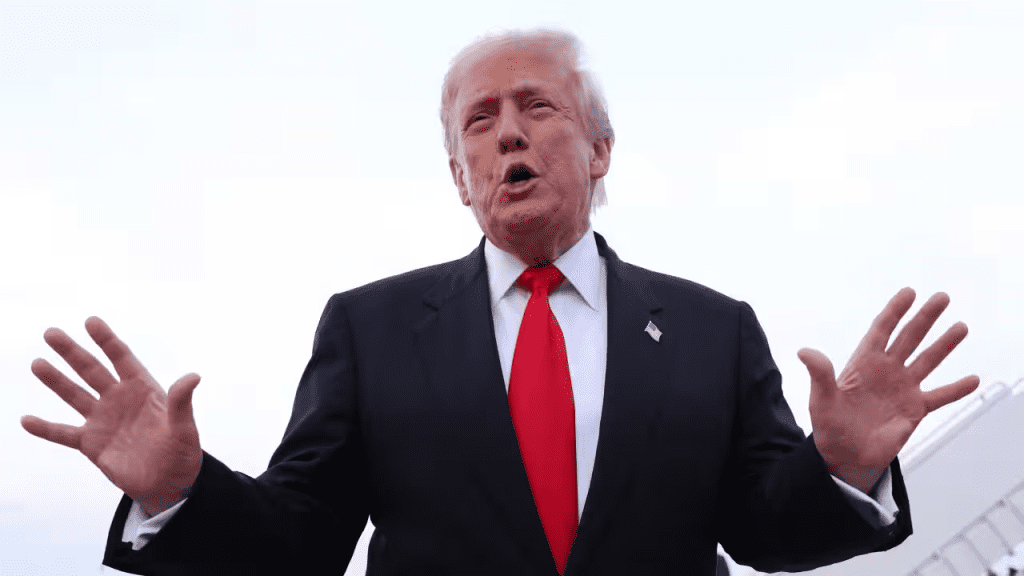
In a blistering confirmation that has sent shockwaves across the Atlantic, President-elect Donald Trump declared on November 12, 2025, his intent to pursue a staggering $1 billion defamation lawsuit against the BBC for what he calls the “malicious” alteration of his January 6, 2021, speech. Speaking to reporters outside Mar-a-Lago, Trump lambasted the British broadcaster: “They defrauded the public! And they’ve admitted it!” The remarks, captured in viral clips, underscore a transatlantic media showdown igniting debates on free speech, accountability, and the perils of selective editing.
The controversy traces back to a BBC Panorama documentary aired ahead of the 2024 U.S. election, which spliced disparate excerpts from Trump’s Ellipse rally address. The edit fused his lines—”We’re going to walk down to the Capitol” and “fight like hell”—omitting intervening pleas for “peaceful and patriotic” protest, crafting an illusion of direct incitement to violence. A leaked internal BBC memo, exposed by The Telegraph, branded the clip as having “completely misled” viewers, prompting resignations from Director-General Tim Davie and News CEO Deborah Turness. BBC Chair Samir Shah issued a rare mea culpa, labeling it an “error of judgment” that falsely implied a “direct call for violent action.”
Trump’s legal salvo, detailed in a cease-and-desist letter dated November 9, demands a full retraction, apology, and damages by November 14—or face court. “This was a perfect speech,” Trump insisted, echoing his Truth Social post decrying the BBC as “very dishonest people who tried to step on the scales of a Presidential Election.” Supporters hail it as a long-overdue reckoning for “fake news,” with one MAGA ally quipping on social media that British taxpayers might unwittingly fund Trump’s presidential library.
Critics, however, see peril in the precedent. Legal scholars like NYU’s Hany Youm note U.S. courts’ robust First Amendment shields against defamation suits, especially for public figures, rendering enforcement tricky across borders. As the deadline looms, the BBC grapples with a credibility crisis, while Trump wields the threat as a cudgel against perceived global media bias. In an era of fractured trust, this billion-dollar grudge could redefine accountability—or devolve into performative fury. With inauguration approaching, one wonders: Is this justice served, or just another Trumpian thunderbolt?