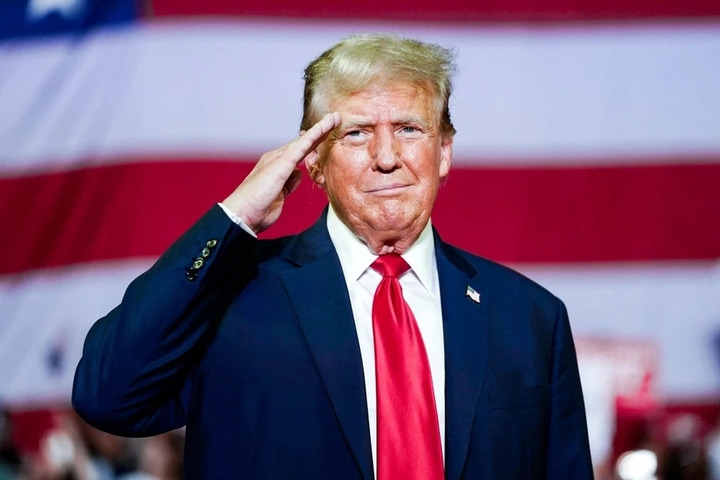
On July 18, 2025, President Donald Trump renewed his push to eliminate federal funding for sanctuary cities, urging Congress to pass legislation that would cut grants to jurisdictions shielding undocumented immigrants from federal immigration enforcement. Speaking at a Pennsylvania rally, Trump declared, “Sanctuary cities are a disgrace, protecting criminals over Americans.” The proposal targets cities like San Francisco, Chicago, and New York, which limit cooperation with Immigration and Customs Enforcement (ICE). Supporters, including Sen. Ted Cruz, argue these policies harbor dangerous criminals, citing ICE data showing 66% of 158,000 arrests in 2025 involved criminal convictions.
Trump’s plan would withhold billions in federal funds, such as Community Development Block Grants, from over 300 jurisdictions identified by the Department of Justice. The move follows a July 2025 executive order expanding ICE’s authority, with raids intensifying in cities like Los Angeles, where protests erupted after 1,200 arrests. A 2025 Pew Research poll shows 59% of Americans support penalizing sanctuary cities, up from 44% in 2020, reflecting growing frustration with immigration policies.
Critics, including Rep. Pramila Jayapal, argue defunding would devastate local economies, as sanctuary cities house 20% of the U.S. population and generate $7 trillion in GDP, per a 2023 Center for American Progress study. Mayors like Chicago’s Brandon Johnson warn of reduced public safety, as police rely on federal grants for training and equipment. Legal challenges loom, with past efforts blocked by courts citing Tenth Amendment violations. As Congress debates, the question remains: will defunding restore order or cripple vital urban services?