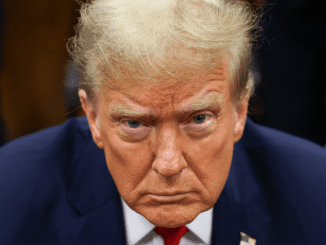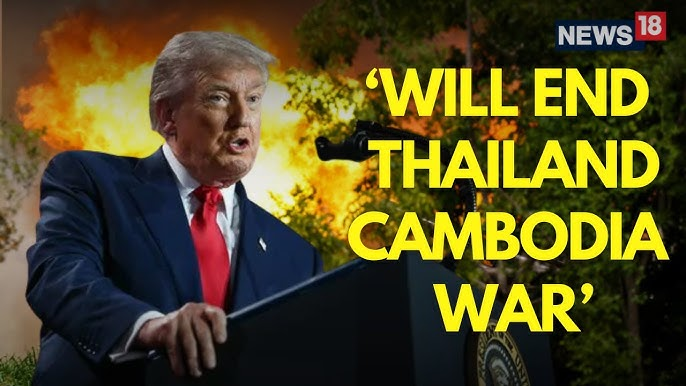
On July 28, 2025, President Donald Trump announced a ceasefire between Thailand and Cambodia, ending a deadly border conflict that killed 36 people and displaced over 260,000. Speaking in Scotland, Trump revealed he pressured both nations by threatening to halt trade negotiations, stating, “I told Thailand and Cambodia we’re not doing deals if you’re killing each other.” Within 24 hours, the leaders—Thailand’s Acting Prime Minister Phumtham Wechayachai and Cambodia’s Prime Minister Hun Manet—agreed to talks in Malaysia, hosted by ASEAN chair Anwar Ibrahim. The agreement, reached on Monday, halted five days of fighting sparked by a landmine explosion wounding Thai soldiers.
Trump’s intervention, leveraging impending 36% tariffs set for August 1, underscored his unconventional diplomacy. The U.S., a key trade partner, saw both nations offer concessions to secure favorable deals. Thailand, with a $46 billion trade surplus, and Cambodia, reliant on U.S. exports, faced economic pressure to comply. The deal mirrors Trump’s earlier success in brokering an India-Pakistan ceasefire, though India disputed his role. Supporters, including White House Press Secretary Karoline Leavitt, hailed Trump as a “President of Peace,” with some calling for a Nobel Prize.
Critics, including Cambodia’s UN ambassador, warned of regional instability if tensions persist, citing historical border disputes dating back centuries. While the ceasefire holds, Thailand demanded “sincere intentions” from Cambodia, reflecting lingering mistrust. The rapid resolution highlights Trump’s tariff-driven strategy but raises questions about long-term peace. As trade talks resume, the ceasefire marks a diplomatic win for Trump’s second term.