President Donald Trump has declared that effective February 1, 2026, the federal government will cease payments to sanctuary cities and states harboring them, escalating his long-standing battle against jurisdictions limiting cooperation with immigration enforcement. reuters.com +1
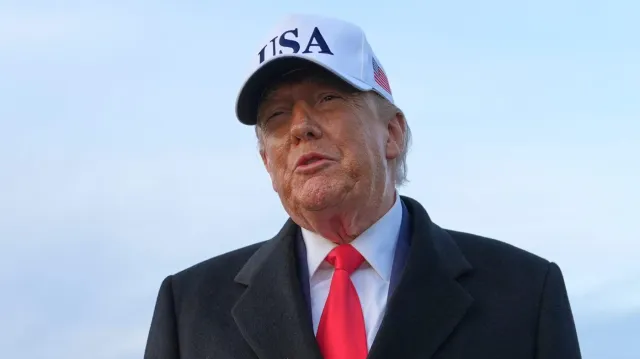
In a speech to the Detroit Economic Club, Trump accused these areas of protecting criminals at the expense of American citizens, breeding fraud and crime.
“We’re not making any payments to sanctuary cities or states having sanctuary cities,” he stated, without specifying which funds or jurisdictions.
The move revives efforts from Trump’s first term and recent executive orders directing the DOJ and DHS to withhold grants from non-compliant areas.
Affected could include states like California, New York, Illinois, and cities such as Los Angeles, Chicago, and Boston, potentially losing billions in aid for transportation, housing, healthcare, and disaster relief.
Critics, including Democratic leaders, decry it as unconstitutional coercion, violating the Tenth Amendment and Spending Clause.
Past attempts were blocked by courts, with judges ruling broad cuts lack congressional authorization.
Supporters hail it as a win for law and order, arguing sanctuary policies shield undocumented immigrants and enable crime. Immigration advocates warn of devastating impacts on vulnerable populations and essential services, predicting immediate lawsuits.
New York Immigration Coalition called it a “bullying tactic,” vowing litigation to protect states’ rights.
As February approaches, the announcement sets up a high-stakes showdown. If implemented, it could reshape federal-state relations, but legal hurdles loom large. For voters who backed Trump’s tough immigration stance, this aligns with campaign promises—yet questions remain: Is this the accountability they sought, or an overreach risking chaos?