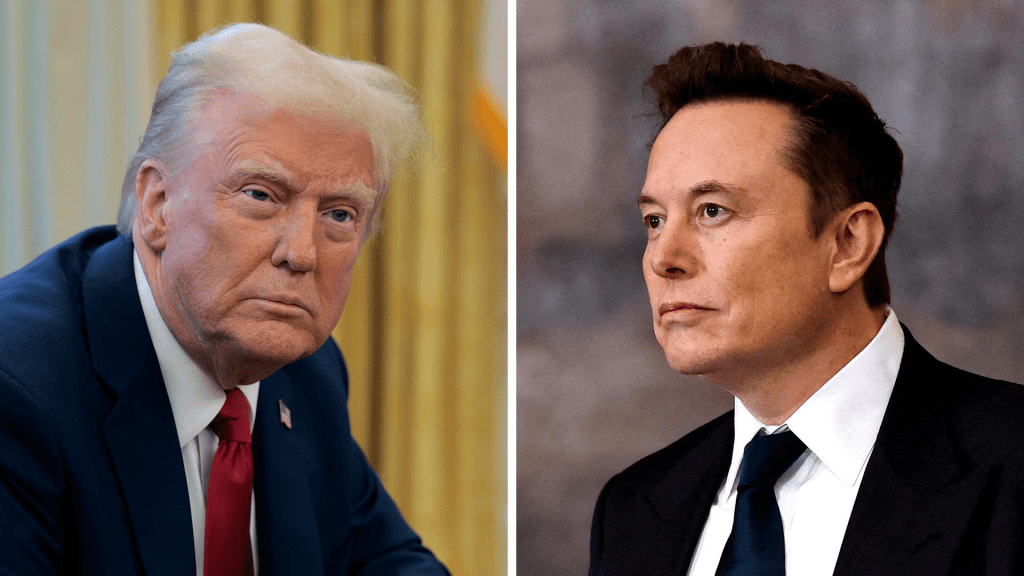
On August 27, 2025, President Donald Trump intensified his attacks on billionaire philanthropist George Soros, calling for his and his son Alexander’s arrest under the Racketeer Influenced and Corrupt Organizations Act (RICO) for allegedly supporting violent protests. Trump’s Truth Social post labeled Soros and his “group of psychopaths” as damaging to the nation, warning, “We’re watching you!” Elon Musk, a key Trump ally and Tesla CEO, swiftly endorsed the call, stating on social media, “High time action was taken against Soros directly.” The remarks follow Musk’s history of criticizing Soros, including comparing him to Star Wars’ Darth Sidious after Soros received the Presidential Medal of Freedom from Joe Biden in January 2025.
The Open Society Foundations, Soros’s nonprofit, denounced Trump’s threats as “outrageous,” affirming their mission to advance human rights and democratic principles. Legal experts, like former federal prosecutor Neama Rahmani, argue that Soros’s support for progressive causes, such as funding liberal district attorneys, is protected First Amendment activity, not criminal conduct. Critics view the rhetoric as a dangerous escalation, noting Soros’s frequent targeting by conservatives and antisemitic conspiracy theories.
The Trump-Musk alliance, bolstered by Musk’s $250 million investment in Trump’s 2024 campaign, signals a broader push against Democratic infrastructure. The controversy reignites debates over free speech, political funding, and the use of federal power against opponents, with no clear evidence linking Soros to illegal activities. As legal and public scrutiny mounts, the nation braces for further polarization.