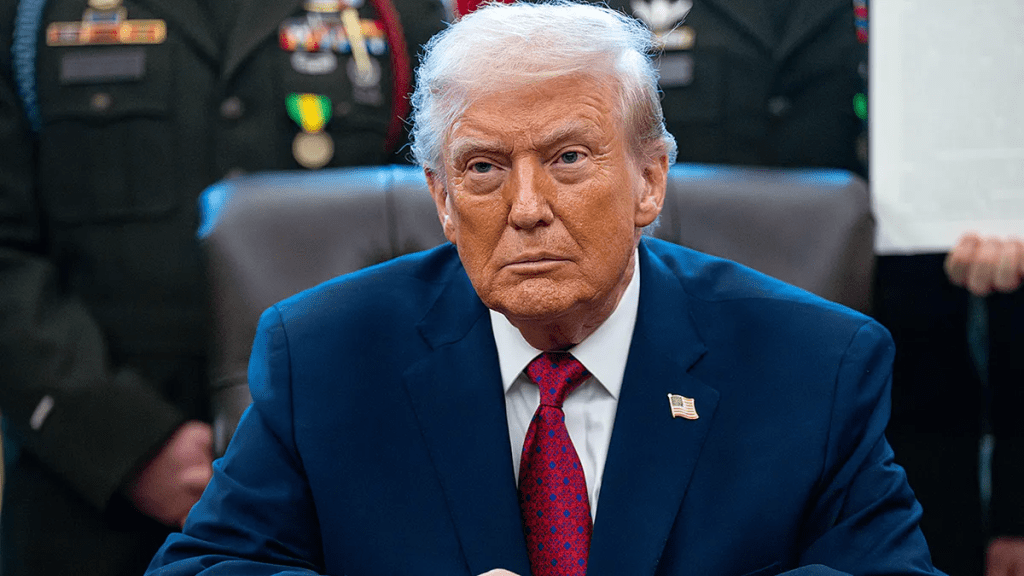
The Trump administration has officially ended Temporary Protected Status (TPS) for approximately 8,000 Somalis living in the United States, effective immediately as of January 2026. The decision, announced by the Department of Homeland Security, revokes protections that had been in place since 1991 due to ongoing civil war and humanitarian crisis in Somalia. DHS Secretary Kristi Noem cited improved conditions in parts of the country and the need to enforce immigration laws consistently as the primary reasons for the termination.
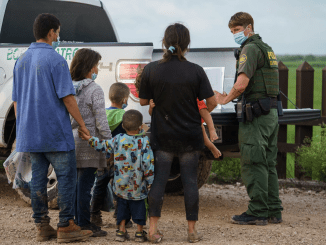
The move affects Somalis who entered the U.S. under TPS designations renewed multiple times under previous administrations. Many have lived in the country for decades, built families, established businesses, and integrated into communities—particularly in Minnesota, home to the largest Somali-American population in the nation. Advocates warn that ending TPS will force thousands into deportation proceedings, separating families and disrupting long-established lives.
The administration frames the policy as part of a broader crackdown on what it calls fraudulent immigration claims and abuse of humanitarian programs. Officials point to recent investigations into welfare and Medicaid fraud schemes involving some Somali immigrants in Minnesota, arguing that TPS has been exploited and no longer serves its original purpose. Supporters of the decision argue it restores fairness and prioritizes American citizens’ resources.
Immigrant rights groups and Democratic lawmakers have condemned the action as cruel and shortsighted, noting that Somalia remains unstable with widespread violence, famine risks, and limited capacity to absorb returnees safely. They warn of humanitarian fallout and legal challenges likely to follow.
As deportations accelerate nationwide, the termination of Somali TPS marks one of the most significant rollbacks of humanitarian protections in recent years, further polarizing the national immigration debate.