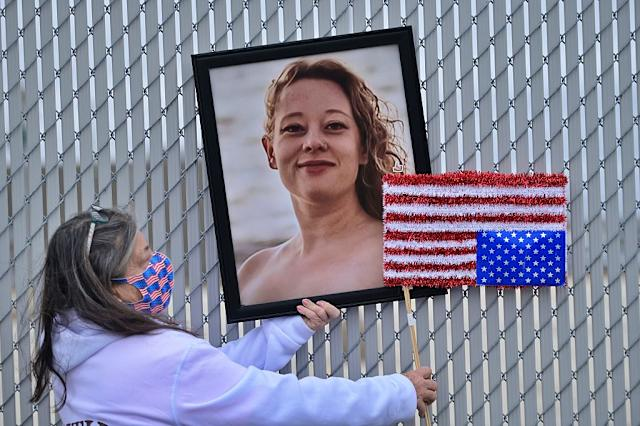
The fatal shooting of Renee Nicole Good, a 37-year-old U.S. citizen, by an ICE agent during an immigration raid in Minneapolis on January 7, 2026, has ignited fierce debate—not only about use of force but about whose deaths capture national attention. Good allegedly attempted to strike the officer with her vehicle before he opened fire in what federal authorities describe as self-defense. Protests erupted, local leaders condemned the operation, and the incident quickly became a flashpoint in the broader immigration enforcement clash.
A stark observation has emerged from conservative commentators: if Renee Nicole Good had been killed by an undocumented immigrant rather than a federal agent, her name would likely have remained unknown outside her immediate circle. The argument is that media coverage, political outrage, and public mourning often follow predictable patterns. Victims of crimes committed by U.S. citizens or legal residents rarely receive sustained national headlines, while cases involving undocumented perpetrators are frequently amplified to underscore border security failures.
Supporters of stricter immigration policies point to this perceived double standard as evidence of selective empathy. They argue that thousands of American victims of crimes linked to illegal immigration are overlooked each year, their stories buried while high-profile incidents involving law enforcement dominate discourse. Critics, however, counter that every life lost deserves equal attention, regardless of the circumstances, and that politicizing tragedy distorts the pursuit of justice.
The Minneapolis case continues to fuel division. As the FBI investigates and protests persist, Renee Nicole Good’s name has become both a rallying cry for accountability and a symbol in a larger argument about whose pain is deemed worthy of national grief. In a polarized nation, the truth remains: not all victims receive the same spotlight.