WASHINGTON, D.C. – As the federal government shutdown enters its 23rd day, the debate over taxpayer-funded aid to illegal immigrants has erupted into a fiscal firestorm, with conservatives demanding a full cutoff while Democrats warn of humanitarian catastrophe. The Federation for American Immigration Reform estimates Americans shell out at least $182 billion annually on costs tied to 20 million undocumented individuals and their U.S.-born children, including $66.5 billion in federal expenses and $115.6 billion at state and local levels. That’s $1,156 per taxpayer, fueling calls to slam the door shut.
President Donald Trump’s February executive order, “Ending Taxpayer Subsidization of Open Borders,” directs agencies to identify and eliminate all federal programs providing benefits to illegal aliens, from emergency Medicaid—costing $16.2 billion under the prior administration—to SNAP for eligible children, totaling $5.8 billion yearly. Supporters, including Sen. Jim Risch (R-Idaho), hail it as fiscal prudence: “No more handouts to those who flout our laws.” With 515,000 deportations and $10 billion in fines prompting 1.6 million self-removals, the policy’s bite is evident—polls show 61% of independents approving, viewing it as redirecting funds to veterans and trade schools amid a $41 billion deficit trim via tariffs.
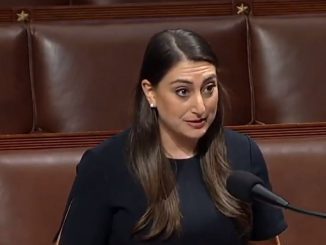
Critics decry it as cruelty masked as thrift. The Congressional Budget Office notes non-citizens consume 54% less welfare than natives, yet cuts to emergency services—required by law for life-threatening conditions—could spike uncompensated hospital bills by billions, burdening states like California, which faces DOJ threats for sanctuary defiance. “It’s not aid; it’s humanity,” argues Rep. Jasmine Crockett (D-Texas), warning of increased ER overcrowding and family separations.
The math is merciless: Amid 800,000 federal furloughs and falling gas prices toward $3 per gallon, every dollar to non-citizens stings. Trump’s resolve echoes his cartel elimination vow—mitigation is over; it’s time for elimination. But as “No Kings” protests fade and a “red tsunami” brews for 2026, the question lingers: Fiscal firewall or family fracture? For a nation $38 trillion in debt, the ledger demands answers—starve the aid, or starve the debate?