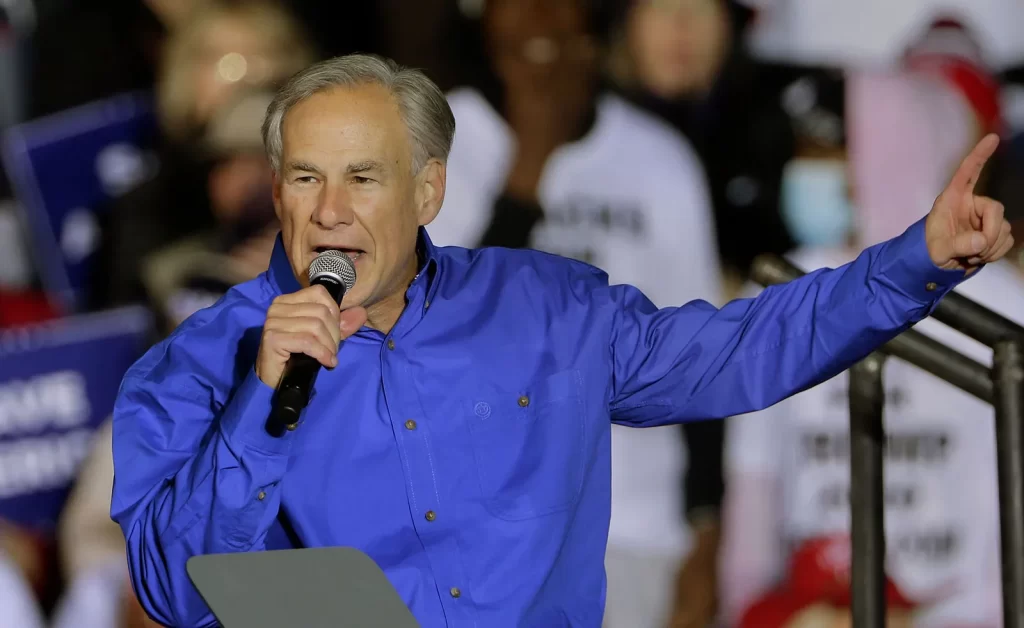
Austin, TX – On May 13, 2025, Texas Governor Greg Abbott signed Senate Bill 17 into law, prohibiting citizens, companies, and government entities from China, Russia, Iran, and North Korea from buying or owning land in the state. The move, announced by Abbott on X at 5:15 AM local time, fulfills a promise he made in January 2023 to curb what he and other Republicans call a national security threat posed by foreign ownership of Texas land.
The legislation, authored by Sen. Lois Kolkhorst (R-Brenham) and championed by Rep. Cole Hefner (R-Mount Pleasant), passed the Texas House on May 10 with an 86-59 vote after a contentious debate. It targets countries listed as national security threats in the Director of National Intelligence’s annual threat assessment, currently naming China, Russia, Iran, and North Korea. Under the law, “real property” includes agricultural, commercial, industrial, and residential land, as well as mines, minerals, and timber. U.S. citizens and lawful permanent residents are exempt, but the bill allows the governor to designate additional countries for restriction, a provision added by Rep. Nate Schatzline (R-Fort Worth) to address emerging threats like Venezuela’s Tren de Aragua gang.
Abbott framed the law as a safeguard against hostile foreign influence, citing past incidents like a Chinese subsidiary’s 2021 purchase of 140,000 acres near Laughlin Air Force Base. “We must protect our food supply, energy security, and national interests,” Abbott stated during the signing ceremony. Hefner echoed this, telling Fox News on May 10, “This bill is about actions and affiliations, not race.” The law grants the Texas attorney general authority to investigate and seize properties acquired in violation, a measure Hefner called the “strongest” of its kind in the nation.
However, the bill has sparked fierce opposition. Critics, including Rep. Gene Wu (D-Houston), argue it revives discriminatory “alien land laws” reminiscent of the 1882 Chinese Exclusion Act, potentially fueling anti-Asian hate. Wu, who immigrated from China as a child, warned on May 10, “When hate crimes start, they won’t care if you’re Chinese or Vietnamese—they’ll target anyone with an Asian face.” Asian American groups, like Asian Texans for Justice, have decried the law as “modern-day discrimination,” with some, including Plano resident Hengrui Qu, planning to challenge it in federal court, following a similar halted law in Florida.
Data from the U.S. Department of Agriculture’s 2021 report shows Chinese investors own less than 1% of foreign-held U.S. farmland—about 383,000 acres—while Russia, Iran, and North Korea collectively own under 3,000 acres. Critics question the scale of the threat, noting that Canada holds 31% of foreign-owned farmland. They also highlight economic risks: China is Texas’ third-largest export market, and a 2023 Dallas Morning News report warned that such laws could jeopardize trade deals, hurting farmers reliant on exports like oil, wheat, and soybeans.
The bill’s passage reflects a broader GOP push to counter perceived foreign threats, building on a 2021 law banning these countries from owning critical infrastructure. Yet, its timing—amid Trump’s recent Saudi visit and tariff rollbacks with China—suggests political motivations may outweigh practical outcomes. While the law aims to protect Texas’ resources, its impact on international relations, local economies, and immigrant communities remains uncertain, with many fearing it prioritizes symbolism over substance.