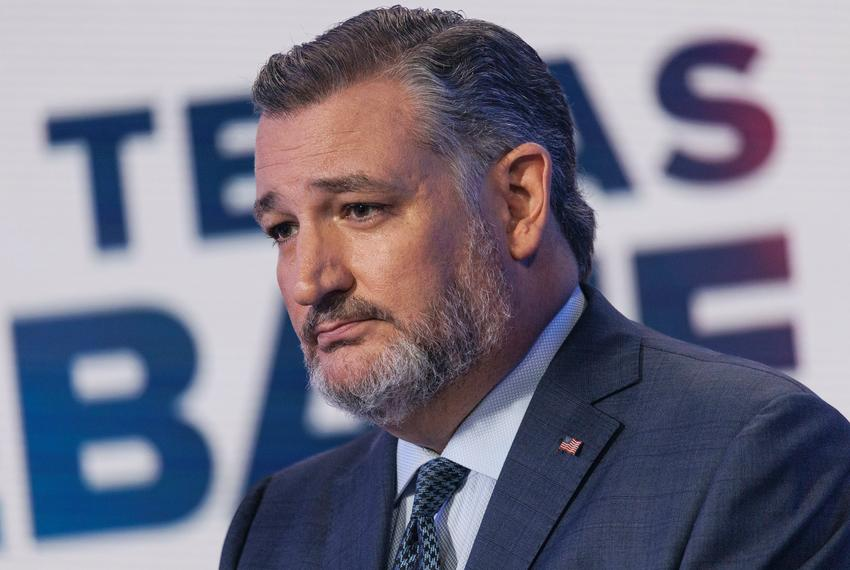
On July 17, 2025, Sen. Ted Cruz (R-Texas) introduced the Muslim Brotherhood Terrorist Designation Act of 2025, urging the State Department to label the Muslim Brotherhood a Foreign Terrorist Organization (FTO). The bill, cosponsored by Sens. Tom Cotton, John Boozman, Rick Scott, Ashley Moody, and Dave McCormick, adopts a “bottom-up” strategy, targeting the group’s violent branches, like Hamas, before designating the global organization for supporting terrorism. Cruz argues the Brotherhood’s ties to Hamas, responsible for the October 7, 2023, attack killing 53 Americans, and its anti-Western ideology pose a direct threat to U.S. security.
The legislation, backed by groups like AIPAC and Christians United for Israel, follows Cruz’s earlier attempts in 2015, 2017, 2020, and 2021, which stalled due to the Brotherhood’s complex structure, blending political and social roles with alleged terror links. Countries like Egypt, Saudi Arabia, and the UAE have already banned the group, and a 2025 French report flagged its threat to secular values. Critics, including former State Department officials, argue designation could harm U.S. alliances and Muslim civil liberties, citing the group’s nonviolent factions. A 2017 CIA memo warned it might fuel extremism.
Cruz’s bill requires the State Department to catalog Brotherhood branches, assess their terror activities, and impose sanctions, including asset freezes and U.S. entry bans. Rep. Jared Moskowitz (D-Fla.) supports a House companion bill, signaling bipartisan momentum. As the debate intensifies, the question remains: will designating the Brotherhood curb terrorism or complicate America’s global standing?