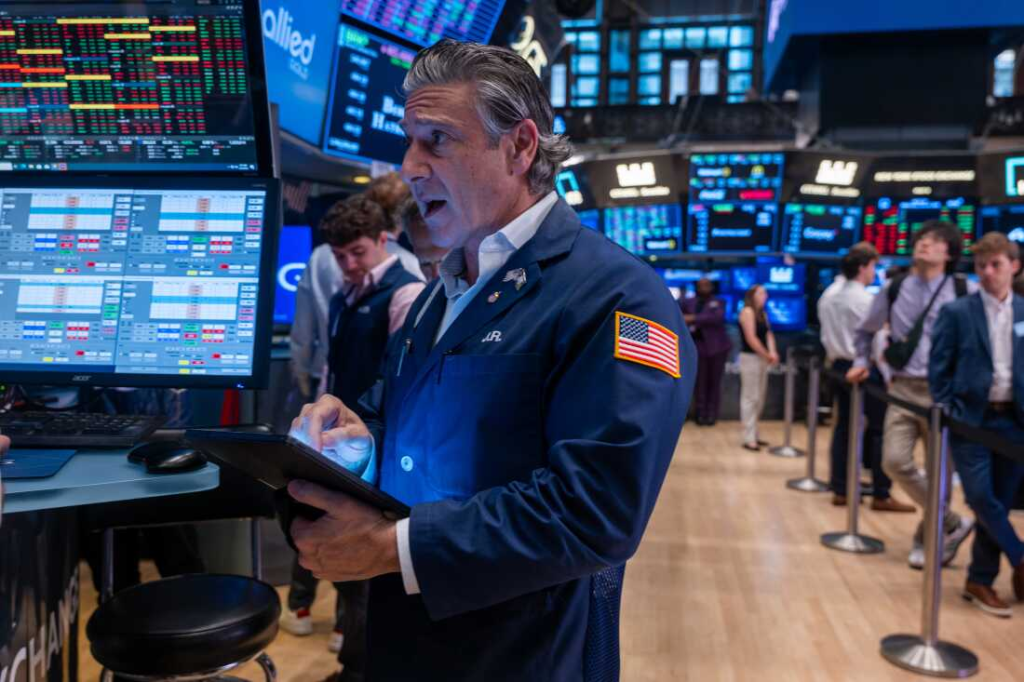
In a stunning rebuke to the naysayers, the U.S. stock market has skyrocketed to an all-time high in June 2025, with the Dow Jones Industrial Average surpassing 45,000 and the S&P 500 climbing past 5,200. This unprecedented rally, driven by robust corporate earnings, deregulation, and renewed investor confidence, has left the so-called financial “experts” scrambling to explain their wildly off-base predictions. As Americans celebrate the economic boom under President Donald Trump’s second term, the market’s surge underscores a disconnect between elite prognosticators and the realities fueling Wall Street’s success.
Just a year ago, prominent analysts from institutions like Goldman Sachs and JPMorgan Chase warned of an impending market crash, citing inflation fears, geopolitical tensions, and supply chain woes. Pundits on major networks predicted a bear market, with some forecasting a 20% drop in the Dow by mid-2025. Instead, the market has defied gravity, posting a 15% year-to-date gain, according to Bloomberg data. The Nasdaq, buoyed by tech giants like Tesla and Nvidia, has surged 18%, driven by breakthroughs in artificial intelligence and semiconductor production. This rally has silenced skeptics and highlighted the resilience of the American economy.
The Trump administration’s policies have been a key catalyst. Sweeping deregulation, including streamlined environmental reviews and reduced corporate red tape, has unleashed investment, with $2 trillion in capital expenditures reported by U.S. firms in 2025, per the Commerce Department. Tax cuts extended from Trump’s first term have left businesses flush with cash, fueling stock buybacks and innovation. Energy policies prioritizing domestic oil and gas have slashed prices by 15%, easing inflation and boosting consumer spending, which accounts for 70% of GDP. A 2025 Bureau of Labor Statistics report notes 1.2 million new jobs, further fueling market optimism.
The “experts” misjudged the impact of these policies, clinging to outdated models that underestimated America’s adaptability. Many predicted that Trump’s tariffs on China would cripple trade, yet domestic manufacturing has thrived, with a 7% job increase in Rust Belt states. The reshoring of supply chains, incentivized by tax breaks, has reduced reliance on foreign goods, countering fears of economic isolation. Meanwhile, the Federal Reserve’s cautious approach to interest rates, maintaining them at 3.5%, has avoided the aggressive hikes some analysts demanded, preserving market liquidity.
Investors, from Wall Street titans to retail traders, have driven the surge. Platforms like Robinhood report a 25% increase in retail trading volume, with small investors piling into energy and tech stocks. Pension funds, including those for teachers and firefighters, have reaped double-digit returns, benefiting millions of workers. A 2025 Gallup poll shows 65% of Americans now view the economy as “strong,” a sharp rise from 40% in 2024. This broad-based optimism contrasts starkly with the gloom peddled by financial talking heads.
Critics of the rally, including progressive economists, argue it disproportionately benefits the wealthy, with 60% of stock ownership concentrated among the top 10% of earners, per Federal Reserve data. They warn of a potential bubble, pointing to high valuations and geopolitical risks, such as tensions with Iran. Yet, these concerns echo the same failed predictions of doom, as corporate earnings continue to exceed expectations, with S&P 500 companies reporting 12% profit growth in Q2 2025. The market’s resilience suggests a structural shift, not a fleeting spike.
The disconnect between experts and reality has eroded public trust in traditional financial commentary. Many Americans now see Wall Street analysts as out of touch, swayed by political biases or beholden to globalist agendas. The rise of alternative economic voices, amplified by platforms like X, has challenged mainstream narratives, aligning more closely with the market’s trajectory. A 2025 Rasmussen poll found 55% of Americans distrust financial media, a trend that mirrors skepticism toward other elite institutions.
As the market hits historic highs, the lesson is clear: the experts underestimated America’s economic strength and Trump’s policy impact. While no rally is immune to corrections, the current boom reflects a nation capitalizing on its resources, innovation, and resolve. For millions of investors and workers, the record-breaking market is a cause for celebration, proving that the “experts” were not just wrong—they were spectacularly so. As Wall Street thrives, America’s economic engine roars, leaving the skeptics in the dust.