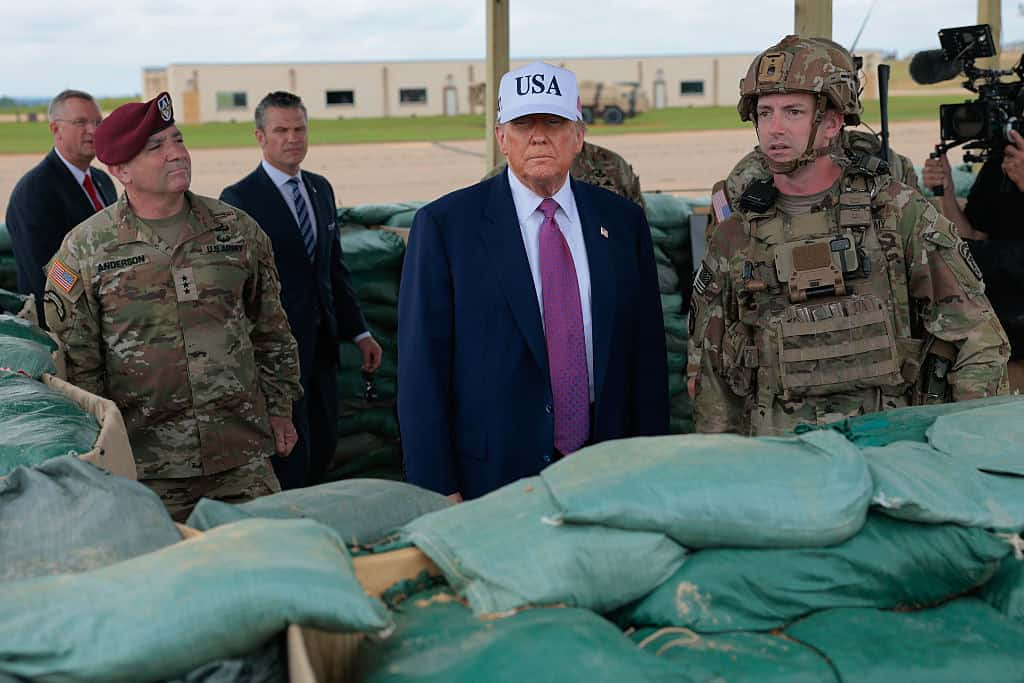
WASHINGTON, D.C., August 25, 2025 — President Donald Trump’s directive to deploy military force against Latin American drug cartels, designated as terrorist organizations, has sparked intense debate over its legality and efficacy. The order, signed in secret, authorizes the Pentagon to target groups like the Sinaloa Cartel and Tren de Aragua, aiming to curb fentanyl trafficking. Supporters argue it’s a bold move to protect American lives, citing 70,000 overdose deaths in 2024. The administration’s designation of eight cartels as terrorists allows broader use of military and intelligence resources, with Secretary of State Marco Rubio emphasizing the need to treat cartels as armed threats, not just criminal enterprises.
Critics, including Mexican President Claudia Sheinbaum, call it a violation of sovereignty, warning of strained U.S.-Mexico relations. Legal experts question the move’s compliance with international law, noting that unilateral strikes could be deemed acts of aggression. Past U.S. interventions, like the 1989 Panama invasion, fuel Latin American skepticism, with fears of civilian casualties and anti-American backlash. Analysts argue that military action may disrupt cartels temporarily but won’t address root causes like drug demand or corruption, potentially strengthening cartels’ resilience.
The policy’s domestic implications are also contentious, with concerns about militarizing the drug war and eroding civil liberties. As the Pentagon drafts plans for potential strikes at sea or on foreign soil, the debate intensifies over whether this aggressive approach will dismantle cartels or escalate tensions across the hemisphere.