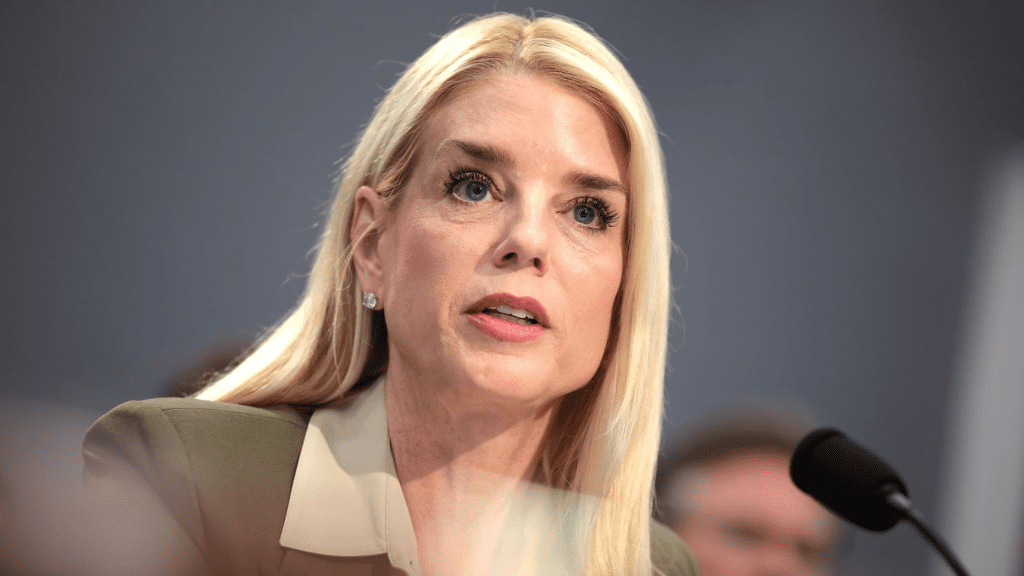
A storm is brewing within the Trump administration as FBI Director Kash Patel and Deputy Director Dan Bongino threaten to resign over Attorney General Pam Bondi’s handling of the Jeffrey Epstein files. The clash, sparked by Bondi’s failure to deliver on promises of transparency, has ignited tensions, with both FBI leaders reportedly furious over her claim that no Epstein client list exists. This contradiction has fueled accusations of deceit, undermining public trust and straining internal alliances.
Bondi’s tenure as Attorney General has been marked by bold pledges to expose hidden truths, yet her recent actions—or lack thereof—have drawn sharp criticism. The Epstein case, a lightning rod for public outrage, was expected to yield significant revelations. Instead, Bondi’s DOJ memo, which dismissed the existence of a client list, has been seen as a betrayal by those demanding accountability. Patel and Bongino, vocal advocates for full disclosure, view her leadership as a liability, with sources indicating they may walk if she remains.
Should Bondi resign? Her defenders argue she’s navigating a complex, corrupt system and needs time to deliver results. Critics, however, see her as obstructing justice, accusing her of shielding powerful figures tied to Epstein. The potential exit of Patel and Bongino, both trusted by Trump’s base, could destabilize the FBI and erode confidence in the administration’s commitment to transparency. Resignation might quell the uproar and restore focus on critical investigations, but Bondi’s refusal to step down suggests she believes her track record will prevail.
The stakes are high. If Bondi stays, the administration risks losing key allies and public support. If she goes, it could signal weakness. For now, the crisis deepens, and the nation watches.