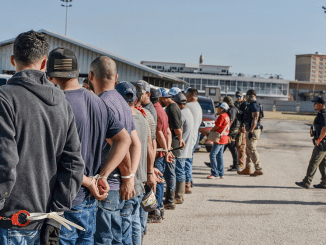
A heated debate is raging over whether governors who obstruct U.S. Immigration and Customs Enforcement (ICE) operations should face obstruction of justice charges. The controversy stems from President Donald Trump’s aggressive immigration crackdown, which has seen over 56,600 arrests since June 2025. Governors like California’s Gavin Newsom and New York’s Kathy Hochul, who maintain sanctuary state policies limiting cooperation with ICE, are accused by Republicans of shielding undocumented immigrants, including those with criminal records. Attorney General Pam Bondi has suggested that such actions could violate federal laws like 18 U.S.C. § 1505, which prohibits interfering with federal investigations, carrying penalties of up to five years in prison.
Supporters of charging governors, including House Oversight Committee Chairman James Comer, argue that sanctuary policies endanger public safety by protecting “criminal illegal aliens.” They point to cases like the tragic death of Katie Abraham in Illinois, killed by a previously deported drunk driver in a sanctuary jurisdiction. Critics, however, including Democratic lawmakers and the ACLU, contend that state non-cooperation is a legitimate exercise of federalism, not obstruction, and that ICE’s tactics, like courthouse arrests, violate constitutional rights. A 2019 Massachusetts case saw a judge charged for obstructing ICE, but the charges were dropped, highlighting legal complexities.
As Trump’s administration threatens to defund sanctuary states, the question of criminal liability for governors remains unresolved, with legal experts split on whether their actions meet the threshold for obstruction. The debate underscores deep divisions over immigration enforcement and state sovereignty.