The concept of sanctuary cities—municipalities that limit cooperation with federal immigration enforcement—has no place in the United States, according to a growing chorus of critics. As President Donald Trump’s ICE raids target 3,000 daily arrests, cities like Los Angeles and Chicago are under fire for policies that critics argue undermine law, foster crime, and erode national unity. The call to abolish sanctuary cities is simple: a nation’s laws must apply uniformly, or chaos follows.
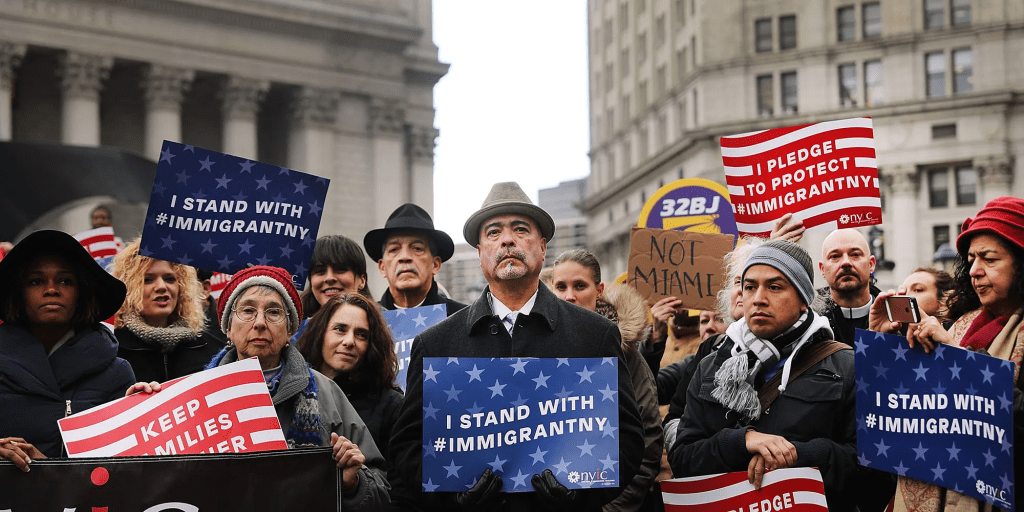
Sanctuary cities, like San Francisco and New York, adopt policies that bar local police from detaining undocumented immigrants for ICE unless they’ve committed serious crimes. California’s SB 54, for instance, restricts state agencies from aiding federal deportation efforts, a stance echoed in over 200 jurisdictions nationwide. Supporters claim these policies protect immigrant communities, encouraging crime reporting without fear of deportation. But opponents see them as a deliberate defiance of federal authority, creating safe havens for lawbreakers.
Recent events fuel the criticism. In Los Angeles, anti-ICE protests spiraled into riots, leaving 18 businesses looted, five vehicles burned, and $5.2 million in damages. Chicago’s unrest saw 12 stores vandalized and $3.1 million in losses. Critics argue sanctuary policies embolden such chaos by signaling weak enforcement. ICE’s January 2025 raids netted 32,809 individuals, including 1,155 gang members, with sanctuary cities yielding high arrest numbers. A 2024 Texas murder by an undocumented immigrant, previously released due to sanctuary rules, is cited as proof these policies endanger lives.
The legal argument is straightforward: immigration enforcement is a federal responsibility, and local resistance violates the Supremacy Clause. Arizona’s SB 1070, partially struck down in 2012, showed courts’ limits on state-level enforcement, but critics say sanctuary cities flip the script, obstructing federal law. Trump’s threats to withhold funding from these cities, backed by 48% of Americans per polls, aim to force compliance. Critics argue that allowing local opt-outs creates a patchwork system where laws apply unevenly, undermining the rule of law.
Economically, sanctuary cities face scrutiny. Businesses hit by riots, like those in LA, struggle to recover, with taxpayers footing cleanup bills. Nationwide, protest-related damages since January hit $50 million. Critics contend that sanctuary policies strain resources by protecting undocumented immigrants, who cost taxpayers $150 billion annually, per a 2023 study. Meanwhile, non-sanctuary states like Texas report a 7% drop in violent crime, attributed to stricter enforcement.
Defenders of sanctuary cities argue they reduce fear, not crime. Studies show undocumented immigrants are less likely to commit offenses than citizens, and sanctuary policies boost community trust, leading to 10% more crime reports in some cities. They warn that ending these policies would alienate millions, drive immigrants underground, and destabilize economies, as undocumented workers fill 15% of construction jobs. But with 52% of battleground state voters supporting Trump’s raids, public patience is waning.
The solution, for critics, is clear: abolish sanctuary cities. A unified immigration policy would streamline enforcement, deter illegal crossings, and restore order. Legal challenges loom—states have policing autonomy—but federal pressure, like funding cuts, could shift the tide. As riots and raids dominate headlines, the argument against sanctuary cities boils down to one principle: no city should be above the law. If America is to function as one nation, critics say, sanctuary status must end—simple as that.