Los Angeles, June 16, 2025—As protests and sporadic riots grip cities across the United States, a growing segment of the population is rallying behind President Donald Trump’s aggressive push for mass deportations. Triggered by recent Immigration and Customs Enforcement (ICE) operations targeting millions of undocumented immigrants, the unrest has deepened divisions, with supporters of deportation arguing that lawlessness justifies the administration’s hardline stance. Critics, however, warn that the policy and its enforcement are inflaming chaos, threatening civil liberties and national unity.
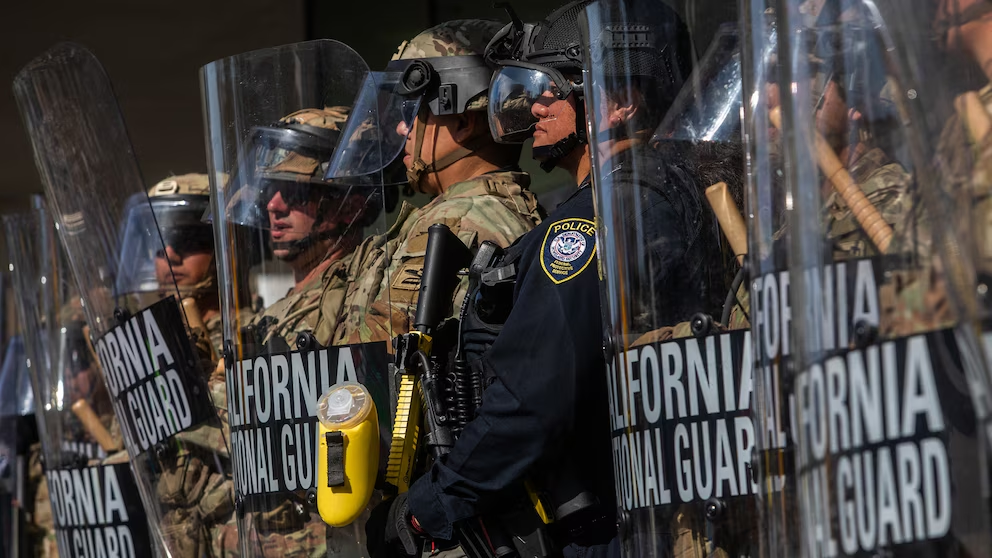
The unrest began on June 6, when ICE launched sweeping raids in Los Angeles, Chicago, and Atlanta, detaining thousands under Trump’s directive to expedite removals. Protests erupted, with crowds denouncing the operations as inhumane. While most demonstrations remained peaceful, incidents of violence—looting in Los Angeles, arson in Seattle, and clashes with police in Miami—have dominated headlines. In Los Angeles, where 700 Marines were deployed to secure federal assets, authorities reported 1,200 arrests over the weekend, with damages estimated at $50 million. These scenes have galvanized deportation advocates, who argue that unchecked immigration fuels disorder.
Public sentiment is shifting, with a Rasmussen Reports poll showing 52% of Americans now supporting mass deportation programs, up from 45% in April 2025. In battleground states like Arizona and Texas, approval is even higher, with voters citing riots as a tipping point. “If people can’t respect our laws, they don’t belong here,” said a Phoenix retiree at a pro-ICE rally, echoing a sentiment voiced at similar gatherings nationwide. Trump, speaking at a Mar-a-Lago event, doubled down, vowing to “restore order” by expanding detention facilities and deploying additional troops if necessary.
The administration’s policy, outlined in a January 2025 executive order, aims to deport up to 11 million undocumented immigrants, prioritizing those with criminal records but casting a wide net. ICE has leased private prisons and converted military bases into detention centers, with 150,000 individuals currently detained—a record high. Supporters argue the measures deter illegal immigration and protect communities, pointing to a 30% drop in border crossings since January, per Customs and Border Protection data. They frame riots as evidence of resistance to lawful enforcement, necessitating stronger action.
Opponents, including civil rights groups and Democratic leaders, condemn the deportations as a humanitarian crisis. The ACLU has filed lawsuits, arguing the raids violate due process, while California Governor Gavin Newsom called them “state-sponsored terror.” Critics highlight the economic fallout, with industries like agriculture and construction facing labor shortages. In Los Angeles, protests have swelled, with 200,000 marching on June 14 during the “No Kings Day” demonstrations, decrying both deportations and military deployments. Activists warn that escalating enforcement risks further violence, citing a June 15 shooting in Utah tied to immigration tensions.
The cycle of unrest and enforcement shows no signs of abating. In Chicago, a curfew was imposed after clashes injured 15 officers, while Atlanta’s mayor pleaded for calm amid vandalism. Legal challenges continue, with a federal judge in California issuing a temporary injunction against certain ICE tactics, though an appeals court allowed military deployments to proceed. Meanwhile, the White House is exploring invoking the Insurrection Act, a move that could expand federal authority but risks intensifying protests.
As riots spotlight the deportation debate, the nation stands at a crossroads. For supporters, the chaos validates Trump’s iron-fist approach, framing mass removals as a path to stability. For critics, the policy is a catalyst for division, pushing communities toward confrontation. With 1,800 protests planned this week and ICE operations expanding, the clash over immigration policy threatens to redefine America’s social and political landscape.