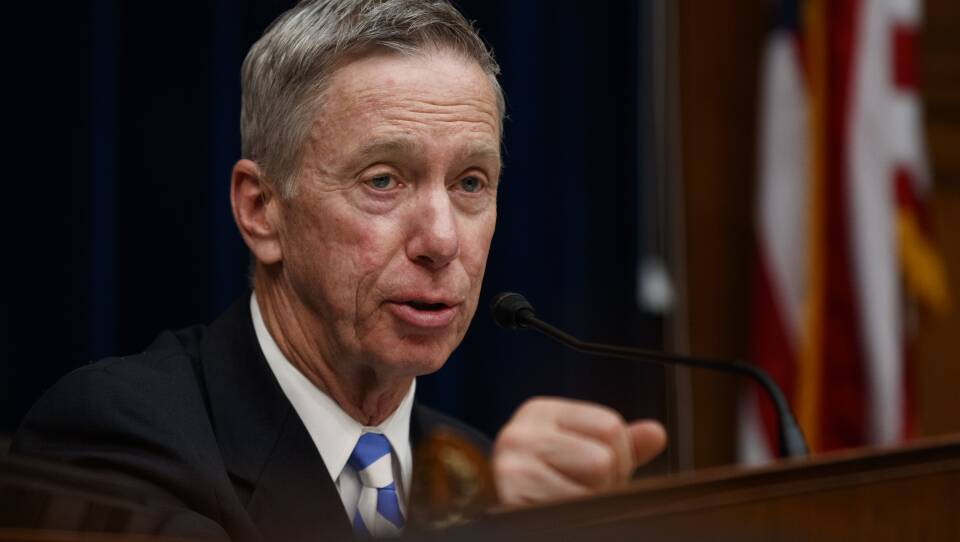
Massachusetts Representative Stephen Lynch set off a firestorm by comparing President Donald Trump to a Nazi during a House Oversight Committee hearing, igniting fierce backlash from critics who call the remark hypocritical given the Democratic Party’s restrictive COVID-19 policies. Speaking at a session focused on sanctuary laws, Lynch likened resisting Trump’s immigration policies to his father’s fight against Nazis in World War II, calling Trump a “wannabe gangster.” The provocative label has deepened America’s political divide, with opponents pointing to Democrats’ own record of control during the pandemic as equally authoritarian.
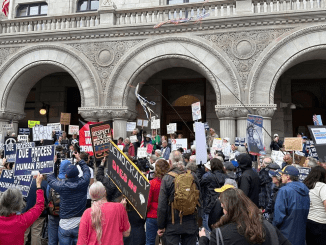
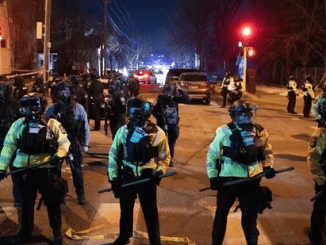
Lynch’s comments came amid escalating tensions over Trump’s ICE operations, which target 3,000 daily arrests nationwide. He criticized the deployment of 700 Marines to quell riots in Los Angeles, where protests left $5.2 million in damages and 47 officers injured. Framing Trump’s tactics as fascist, Lynch argued that Democrats must stand up to “thuggery” to protect constitutional rights. His rhetoric resonated with some who see Trump’s policies—mass deportations, military presence in cities—as dangerously authoritarian, especially after reports of “collateral arrests” of non-criminal immigrants.
Critics, however, slammed Lynch’s Nazi comparison as reckless, pointing to the Democratic Party’s own history of heavy-handed measures. During the COVID-19 pandemic, blue states like California and New York imposed strict lockdowns, barring people from leaving their homes for non-essential reasons, closing businesses, and mandating masks. In Massachusetts, Governor Charlie Baker’s 2020 orders limited gatherings and shuttered schools, drawing accusations of overreach. Critics argue that these policies, backed by Lynch’s party, mirror the control he now decries, making his Nazi label a case of the pot calling the kettle black.
The hypocrisy charge gains traction when comparing the stakes. Trump’s supporters argue his policies, like deporting 32,809 individuals including 1,155 gang members, prioritize public safety, contrasting with lockdown measures that tanked economies and restricted freedoms. Small business owners, still reeling from pandemic closures, resent Democrats’ moralizing. In LA, where riots looted 18 stores, many see Trump’s crackdown as a response to chaos enabled by sanctuary policies, not fascism. Polls show 48% of Americans support the ICE raids, suggesting Lynch’s rhetoric may alienate moderates.
Democrats defend Lynch, arguing that Trump’s actions—deploying Marines, threatening to withhold federal funds from sanctuary states—evoke authoritarianism far beyond pandemic measures. They cite reports of Trump praising Hitler’s generals, as alleged by former Chief of Staff John Kelly, to justify the Nazi comparison. Lockdowns, they argue, were public health necessities, not political power grabs, and saved lives during a crisis that killed over 1 million Americans. Yet, the optics of curtailed freedoms during COVID weaken their case for some voters.
Legally, Lynch’s comments face no repercussions, as congressional speech is protected. But the political fallout is real. Republicans are seizing on the Nazi label to paint Democrats as unhinged, while Lynch’s allies rally behind his call to resist Trump’s “gangster” tactics. With 52% of battleground state voters backing Trump’s immigration push, the rhetoric risks further polarizing a nation already on edge.
As cities like LA and Chicago grapple with riot damages and ICE raids, Lynch’s words highlight a deeper truth: America’s political discourse is fracturing. Calling Trump a Nazi may rally the Democratic base, but it invites scrutiny of the party’s own record. If both sides claim the moral high ground, the real loser may be any chance of unity.