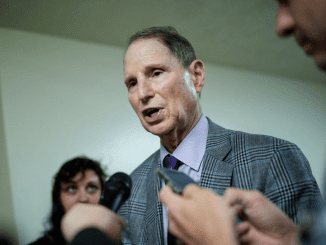
A rising tide of frustration among American taxpayers, particularly supporters of President Donald Trump, is fueling demands that Congress stop using federal funds to provide Medicaid to undocumented immigrants. Framed as a call from “We the People” for a refund of their tax dollars, this sentiment reflects broader anger over immigration policies perceived as prioritizing noncitizens over U.S. citizens. As Trump’s second term advances with measures like the “Big Beautiful Bill” and mass deportation plans, the debate over Medicaid funding has become a flashpoint, highlighting tensions over fiscal responsibility, national priorities, and fairness.The controversy centers on provisions allowing limited Medicaid access for undocumented immigrants, primarily through emergency services under the 1986 Emergency Medical Treatment and Active Labor Act (EMTALA). This law requires hospitals to treat anyone with an emergency condition, with Medicaid reimbursing costs in some cases. In states like California, which expanded Medicaid eligibility to certain undocumented immigrants under 26 through state-funded programs, the cost reached $3.1 billion in 2024, per the California Department of Health Care Services. Critics argue that these funds, drawn from federal and state taxes, divert resources from citizens, with a 2025 Rasmussen Reports poll showing 68% of Americans opposing Medicaid for undocumented immigrants.
Trump’s administration has seized on this sentiment, incorporating restrictions on noncitizen benefits into the “Big Beautiful Bill,” passed by the Senate on July 1, 2025. The legislation includes a $100 asylum application fee and cuts to federal matching funds for states providing Medicaid to undocumented immigrants, aligning with Trump’s goal to deport 1 million annually. Supporters, including Texas Governor Greg Abbott, argue that taxpayers should not subsidize healthcare for those who “broke the law to enter,” especially when 46 million Americans face medical debt, per a 2025 Kaiser Family Foundation study. They demand a “refund” through tax relief or reallocation to citizen-focused programs.Opponents, including Democratic leaders like Representative Hakeem Jeffries, counter that denying healthcare to undocumented immigrants is inhumane and economically shortsighted. They argue that emergency Medicaid, costing $7 billion nationally in 2024, prevents costlier untreated illnesses and protects public health. A 2024 Migration Policy Institute report estimates undocumented immigrants contribute $79 billion annually in taxes, including $13 billion to federal coffers, suggesting they partially fund their own care. Critics of the “refund” demand warn that cutting Medicaid could overwhelm hospitals, particularly in border states, and increase local taxes to cover uncompensated care, which reached $40 billion in 2023.
The fiscal debate is complicated by competing priorities. The “Big Beautiful Bill” allocates $150 billion to ICE and border security, including $8 billion for 10,000 new ICE agents, prompting fiscal conservatives like Senator Rand Paul to criticize its $3.3 trillion deficit impact over a decade. Opponents argue that redirecting Medicaid funds to enforcement, rather than healthcare for citizens or immigrants, misaligns with taxpayer demands. They point to the Biden administration’s expansion of Affordable Care Act subsidies, which reduced uninsured rates to 7.7% in 2024, as a model for inclusive healthcare that benefits all residents.Legal and practical hurdles further cloud the issue. Federal law mandates emergency care regardless of immigration status, and overturning EMTALA would require congressional action unlikely in a divided Congress. States like New York and Illinois, which fund Medicaid for undocumented immigrants, could resist federal cuts, potentially leading to lawsuits. A 2025 Urban Institute study warns that restricting healthcare access could increase preventable deaths and strain public health systems, citing a 20% rise in emergency room visits in states with restrictive policies.
As the House debates the “Big Beautiful Bill” before the July 4 deadline, the call for a taxpayer “refund” resonates with Trump’s base, 94% of whom stand by him, per a June 2025 poll. Yet, the demand risks alienating moderates and immigrant communities, who represent 20% of 2024 voters. The debate underscores a broader struggle over America’s identity: a nation of taxpayers demanding prioritization or a diverse society balancing humanitarian obligations. As 2026 midterms loom, the Medicaid funding fight will shape political rhetoric, challenging Congress to reconcile fiscal concerns with the realities of a pluralistic nation.