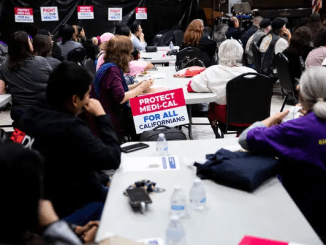
Across U.S. cities, a striking image has emerged from recent anti-ICE protests: demonstrators, some undocumented, chanting against American policies while hoisting flags of nations they’ve chosen not to live in. The sight—Mexican, Honduran, and other banners waving amid calls to end deportations—has sparked outrage among critics who see it as a contradiction: protesting a country you entered illegally while celebrating one you left behind. This paradox is fueling a heated debate about loyalty, identity, and the right to dissent.
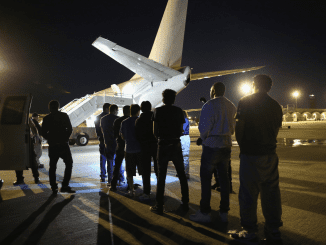
The protests, driven by President Trump’s expanded ICE operations targeting 3,000 daily arrests, have gripped cities like Los Angeles and Chicago. In LA, where riots caused $5.2 million in damages last month, demonstrators have been seen waving Mexican flags while decrying U.S. immigration enforcement. Similar scenes unfolded in Chicago, where Honduran and Guatemalan flags appeared alongside signs demanding the abolition of ICE. For many, these displays symbolize defiance, but for others, they’re a baffling rejection of the nation offering refuge.
Critics argue the imagery undermines the protesters’ message. If America’s policies are so unjust, they ask, why stay? The act of entering the U.S. without authorization—often fleeing violence or poverty—implies a choice to seek opportunity here, yet waving foreign flags suggests a refusal to fully embrace the country. In Texas, where 48% of voters back Trump’s deportation push, residents have voiced frustration, with one calling it “hypocrisy to protest the hand that feeds you.” The sentiment resonates with those who view the flag as a symbol of allegiance, not just heritage.
For protesters, the flags carry a different meaning. Many are Mexican Americans or undocumented immigrants who see their home countries’ banners as a reclaiming of cultural pride, not a rejection of the U.S. They argue that criticizing immigration policies doesn’t negate their desire to build lives here. In Los Angeles, a demonstrator explained, “The Mexican flag is my history, not my future. I’m fighting for my kids to stay in America.” Others say the flags honor sacrifices made to reach the U.S., reflecting resilience rather than disloyalty.
The tension isn’t new. During the 2006 immigration rallies, Mexican flags sparked similar backlash, prompting organizers to urge protesters to wave American ones instead. Today’s demonstrations, however, are less coordinated, with raw emotions driving the display of foreign banners. This has played into the hands of immigration hardliners, who use the imagery to argue that undocumented immigrants are ungrateful and unassimilated. Trump himself has seized on the issue, calling it “disrespectful” to protest under foreign flags while demanding U.S. protections.
The legal reality adds complexity. Undocumented immigrants have constitutional rights to free speech, including protest, as affirmed by courts. But public opinion is less forgiving. Polls show 52% of Americans view flag burning or foreign flag-waving during protests as offensive, especially in the context of illegal immigration. The optics of foreign flags amid riots—where businesses are looted and police are injured—only deepen the divide, making it harder for protesters to win broader support.
As ICE raids continue, the flag-waving paradox underscores a deeper struggle over belonging. For some, it’s a proud assertion of identity; for others, it’s a slap in the face to a nation grappling with immigration’s challenges. The protests, like the country itself, are caught between embracing diversity and demanding unity—a tension that shows no signs of easing.