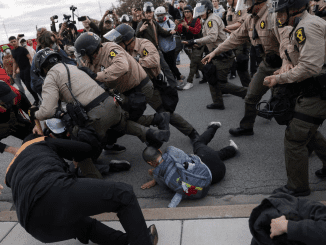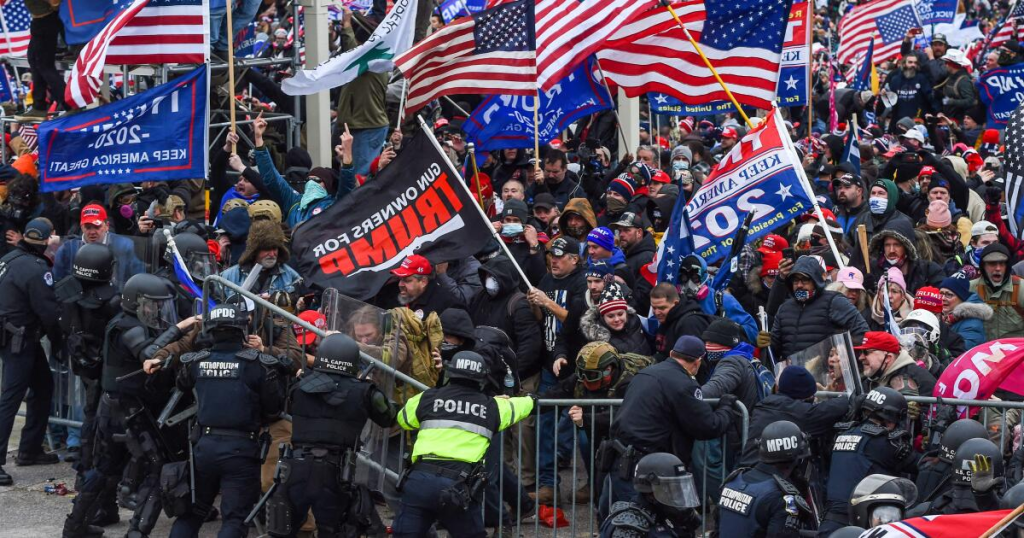
Following recent Democratic Party losses in the 2024 elections, protests have erupted across the U.S., with groups like Black Lives Matter and the “No Kings” movement taking to the streets. Critics argue these demonstrations, marked by occasional violence and property damage, are a predictable reaction to electoral defeat, reflecting frustration rather than coherent policy demands. The “No Kings” protests, which drew thousands on June 14, 2025, saw clashes in cities like Chicago and Tallahassee, with some accusing organizers of exploiting losses to incite chaos.
Historical patterns lend credence to this view. The 2020 Black Lives Matter protests, sparked by George Floyd’s death, coincided with a heated election year, with some conservative voices claiming they were leveraged to undermine Republican gains. Data from the U.S. Crisis Monitor indicates that while 93% of 2020 BLM protests were peaceful, over 500 events involved violence, costing an estimated $1–2 billion in damages. Critics point to this as evidence of a recurring tactic: channeling electoral disappointment into disruptive activism.
However, defenders of the protests argue they reflect legitimate grievances, not just sour grapes. The “No Kings” movement, for instance, cites concerns over authoritarianism and policy rollbacks, while BLM has historically focused on systemic racism. Supporters note that protests often amplify marginalized voices, not merely Democratic agendas. Yet, the timing—post-election surges in unrest—fuels skepticism about their motives. As special elections in 2025 show Democrats overperforming despite losses, questions linger: are these protests a cry for justice or a reaction to political defeat? The debate remains heated as the nation grapples with division.