In a controversial move, Peru’s government has officially classified transgender, nonbinary, and intersex individuals as “mentally ill” under its health insurance scheme, effective May 10, 2024. The decree, issued by the Peruvian Health Ministry, aims to ensure “full coverage of medical attention for mental health” for these communities, but it has ignited fierce backlash and calls for repeal from activists and human rights groups.
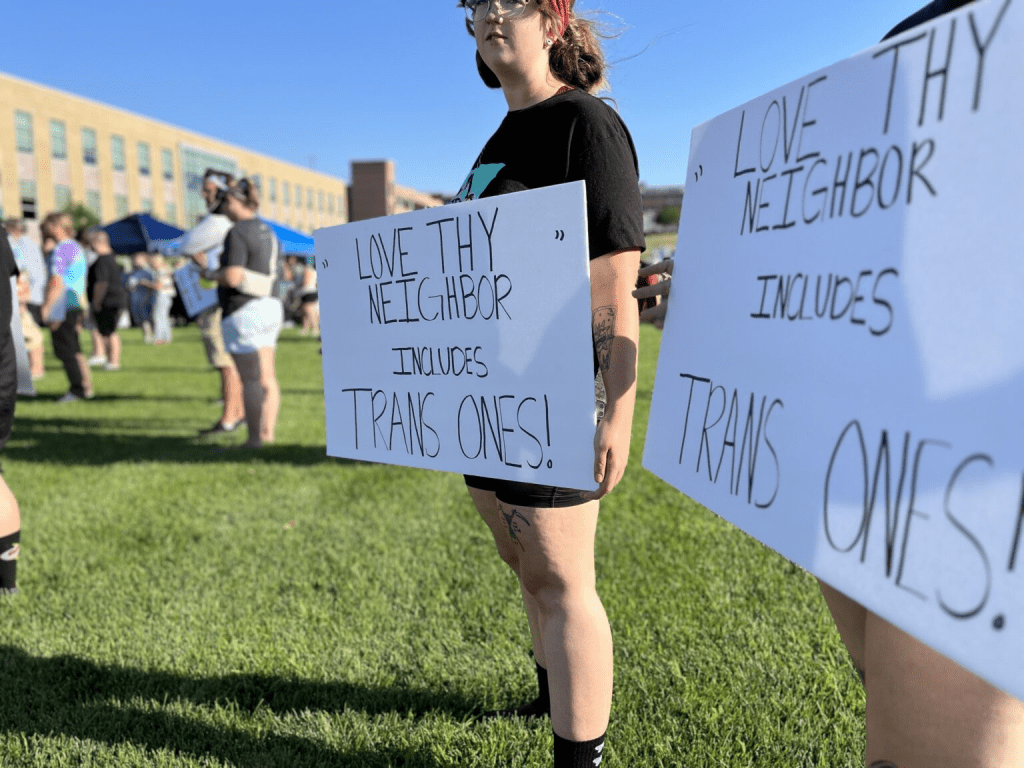
The decision relies on an outdated classification system, contradicting World Health Organization guidelines that depathologized transgender identities in 2019. Protesters in Lima rallied outside the Health Ministry, denouncing the decree as discriminatory and harmful, arguing it stigmatizes diverse gender identities and could lead to forced medical interventions. Critics warn the policy risks undermining trust in Peru’s healthcare system and exacerbating social exclusion.
Supporters of the classification, including some Peruvian officials, claim it’s a pragmatic step to secure mental health resources for transgender individuals, citing limited public health funding. However, opponents argue this justification masks a broader agenda to marginalize already vulnerable communities, drawing parallels to global debates over gender identity and mental health.
The policy has fueled discussions about whether other nations, including the United States, should adopt similar classifications. Some conservative voices advocate for it, framing transgender identities as psychological issues requiring intervention, while progressive groups vehemently oppose such measures, emphasizing self-identification and autonomy.
As Peru grapples with the fallout, the international community watches closely. The decree raises questions about balancing healthcare access with respect for identity, with implications for global human rights standards. Activists vow to continue their fight, demanding the government align with modern medical consensus. The debate underscores the ongoing tension between policy, science, and societal values in addressing gender diversity.