As fireworks illuminated the skies on July 4, 2025, America marked its 249th year of independence, reaffirming its status as the world’s most powerful and free nation. From coast to coast, millions gathered for parades, barbecues, and flag-waving celebrations, reflecting on a country that, despite deep divisions, continues to wield unmatched global influence and champion individual liberties. Yet, as the nation toasted its enduring legacy, debates over the meaning of “freedom” and the challenges to its dominance underscored a complex moment in the American story.
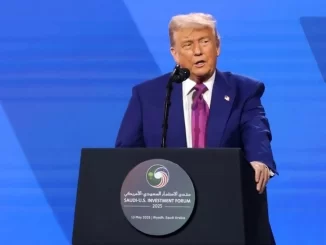
The United States’ claim to being the most powerful nation remains indisputable. With a GDP of $25 trillion, a military budget of $877 billion in 2024, and technological dominance in fields like AI and aerospace, America’s global reach is unparalleled. Its cultural influence, from Hollywood to Silicon Valley, shapes trends worldwide, while the dollar remains the backbone of international trade. Under President Donald Trump’s second term, policies like tariff hikes and energy deregulation have bolstered domestic industries, with manufacturing jobs up 5% since January 2025. Supporters argue that these moves, coupled with a foreign policy prioritizing “America First,” have restored the nation’s clout after years of perceived decline.
Freedom, too, remains a cornerstone of the American identity. The Bill of Rights, enshrined 234 years ago, continues to protect speech, religion, and the press, setting the U.S. apart from authoritarian regimes. Recent data from Freedom House ranks the U.S. among the world’s freest nations, with robust legal protections for individual rights. The 2024 election, which saw 160 million voters turn out, underscores a vibrant, if contentious, democratic process. For many, the ability to openly criticize leaders—like Trump’s five indictments without derailing his presidency—exemplifies a system that tolerates dissent, a rarity in countries like China or Russia.
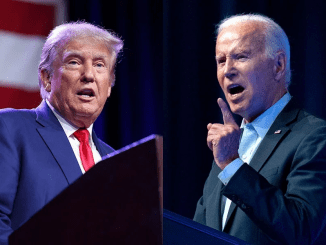
Yet, the 249th Independence Day arrives amid fierce debates over what freedom means. Progressive critics, including figures like Representative Ilhan Omar, argue that policies like the defunding of Planned Parenthood and cuts to SNAP and Medicaid undermine personal autonomy, particularly for women and the poor. A viral campaign by the People’s Unity Project, declaring the 4th “canceled” due to a “shortage of independence” for women, highlights these tensions. Conversely, Trump’s base celebrates his policies—mass deportations, tax relief, and deregulation—as reclaiming freedom from government overreach and globalism. A July 2025 Gallup poll shows 44% of Americans approve of Trump’s leadership, reflecting a polarized nation.
Global challenges also test America’s dominance. China’s growing economic and military might, with a GDP nearing $19 trillion, looms as a rival. Geopolitical tensions, exacerbated by Trump’s tariffs and the end of USAID, have strained alliances, with Canada and the EU imposing retaliatory duties. Critics warn that withdrawing from global humanitarian efforts, which could lead to 14 million deaths per a 2025 Lancet study, risks ceding moral leadership. Yet supporters argue that prioritizing domestic needs—like infrastructure and border security—strengthens America’s foundation, ensuring its power for another 249 years.
The celebrations themselves reflected this duality. In Washington, D.C., a massive fireworks display over the National Mall drew thousands, while smaller towns hosted community events steeped in tradition. But protests in cities like Chicago and Los Angeles, decrying immigration raids and welfare cuts, underscored discontent. In North Carolina, where a recent ICE operation detained 30 undocumented immigrants, local leaders clashed over whether such actions uphold or undermine American values. The contrast paints a picture of a nation united by pride but divided by vision.As America approaches its 250th anniversary in 2026, the question of what it means to be the “most powerful and free” remains unresolved. For some, it’s the ability to project strength and protect borders; for others, it’s ensuring equality and opportunity for all. The 2026 midterms, with open Senate seats in battleground states like Michigan and New Hampshire, will test whether voters prioritize Trump’s assertive nationalism or a more inclusive definition of freedom. For now, the 249th Fourth of July stands as a testament to America’s resilience—a nation that, despite its fractures, continues to shine as a beacon of power and liberty, even as it grapples with the weight of its own ideals.