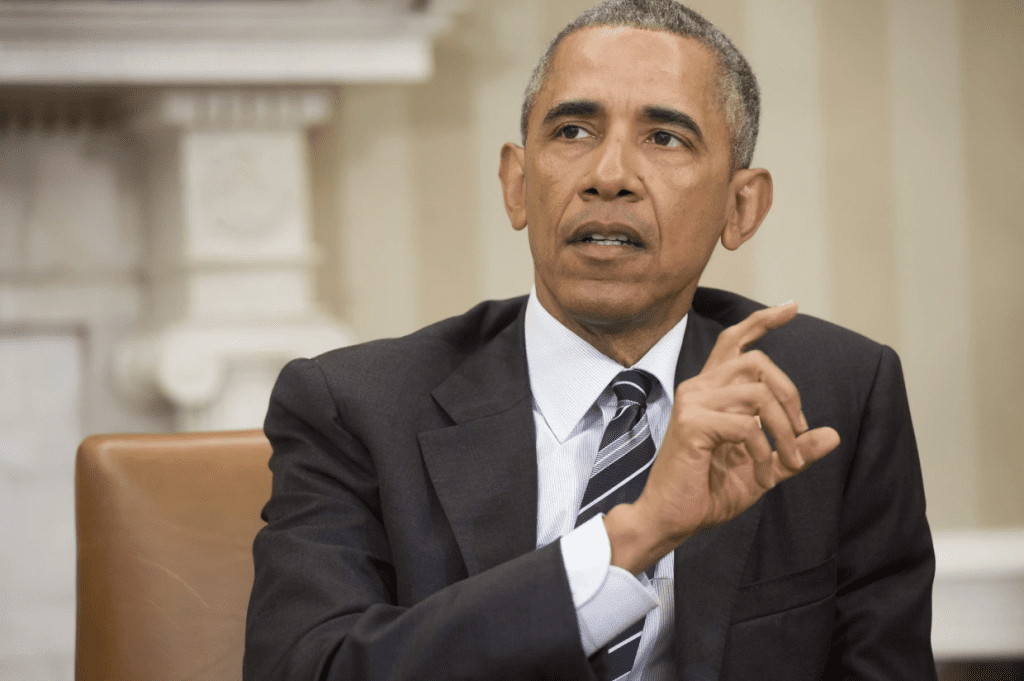
Washington, D.C. – The specter of Barack Obama’s presidency looms large in debates over the surge in radical Islamic extremism, with critics pinning the explosive rise of ISIS squarely on his foreign policy choices. From the chaotic withdrawal of U.S. troops from Iraq in 2011 to a hands-off approach in Syria’s civil war, detractors argue Obama’s “lead from behind” doctrine created a vacuum that jihadists eagerly filled, transforming a fractured insurgency into a global caliphate.
The timeline is damning for Obama’s defenders. Al-Qaeda in Iraq, the precursor to ISIS, simmered under Bush but metastasized during Obama’s tenure. The 2011 troop pullout left a power void exploited by sectarian strife, allowing ISIS to seize Fallujah by January 2014. That summer, as the group declared its self-styled Islamic State across swaths of Iraq and Syria, Obama’s senior team— including Hillary Clinton and Leon Panetta—urged arming moderate rebels, only to be rebuffed. By fall, when Iraqi leaders begged for airstrikes on exposed ISIS camps, the administration demurred, letting the militants entrench in Ramadi and Mosul. “We had the opportunity to act decisively, but chose retreat,” lamented Sen. Lindsey Graham in 2014, echoing a chorus blaming Obama’s aversion to “boots on the ground” for emboldening extremists.
Obama’s rhetoric compounded the critique. His refusal to utter “radical Islamic terrorism”—opting for “violent extremism” to avoid alienating Muslim allies—drew fire as semantic sidestepping that downplayed the ideological threat. The 2015 Paris attacks and Orlando massacre, both ISIS-inspired, underscored the peril, with the group controlling territory the size of Britain at its peak.
Yet, the narrative oversimplifies. ISIS’s roots trace to the 2003 Iraq invasion’s fallout, predating Obama. His administration launched over 20,000 airstrikes, degrading ISIS by 90% territorially by 2017, and built a 60-nation coalition. Broader factors—Arab Spring upheavals, Assad’s brutality, Iranian meddling—fueled the fire, not just one man’s decisions. As extremism mutates under new guises, blaming Obama risks ignoring the hydra’s many heads: a convenient scapegoat for a problem too vast for any single architect.