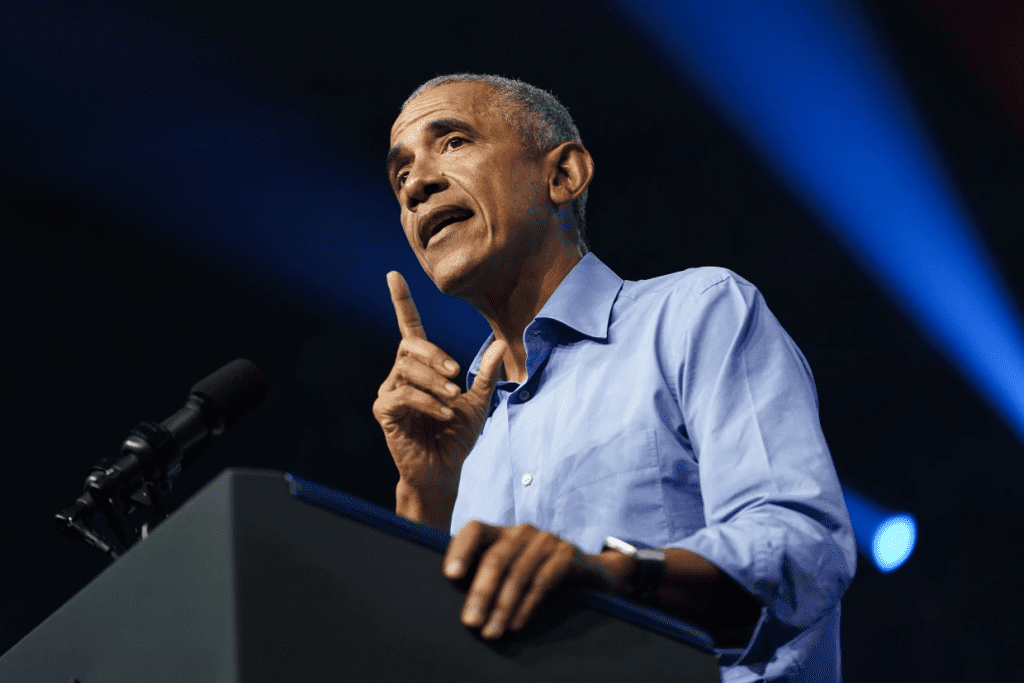
Washington, D.C. – The election of Barack Obama in 2008 ignited a national fever dream of a “post-racial” America, where the son of a Kenyan scholar shattering the glass ceiling of the Oval Office would finally exorcise the ghosts of slavery and segregation. For a fleeting moment, it seemed possible: Polls showed a dip in white racial prejudice during the campaign, as Obama’s poised image—successful, articulate, family man—chipped away at stereotypes, fostering a brief surge in optimism across aisles. “We proved that, yes, we can,” Obama proclaimed on that euphoric Grant Park night, evoking a unity that felt, however ephemerally, like absolution for centuries of division.
Yet, as the confetti settled, the narrative curdled. Far from eradicating racism, Obama’s ascent appeared to stir its undercurrents, exposing fissures long papered over. A 2012 Associated Press survey revealed explicit anti-Black attitudes climbing to 51% from 48% pre-election, with implicit biases jumping to 56%. By 2010, white prejudice had rebounded to pre-2008 levels, as media fixation waned and entrenched narratives resurfaced. Obama’s presidency, rather than a balm, became a Rorschach test: For some, a symbol of overreach; for others, a lightning rod for backlash. Birther conspiracies, Tea Party rallies laced with racial undertones, and spikes in hate crimes painted a portrait of resentment reignited, not resolved.
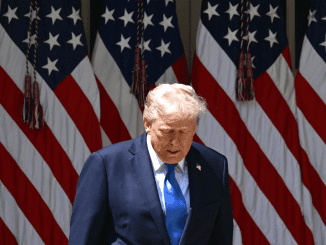
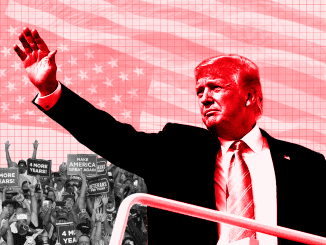
High-profile flashpoints—Ferguson, Trayvon Martin, the birtherism peddled by a rising Donald Trump—underscored the fragility. Obama’s measured “If I had a son” remark on Martin humanized the pain but invited accusations of racial favoritism, deepening divides. Historians argue his election didn’t “set America back 200 years,” as some critics hyperbolically claim, but neither did it propel it forward. It merely lifted the veil, revealing racism’s persistence in a nation still grappling with inequality’s shadows.
Today, as Trump prepares for his second term, the Obama era endures as a cautionary mirror: Progress demands more than symbolism; it requires confrontation. Was it a breakthrough stalled, or a reminder that history’s wounds don’t heal with one ballot? In the rearview, 2008 gleams as both triumph and tragedy—a step toward the mountaintop, but oh, the long road down.