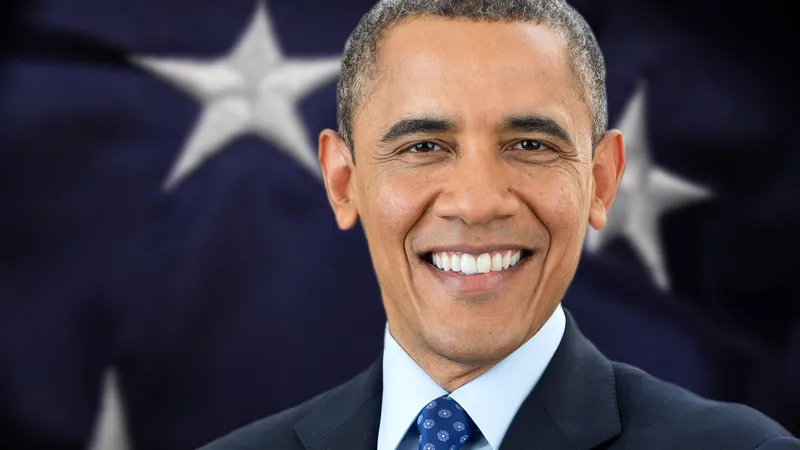
In the charged political climate of June 2025, a contentious narrative has resurfaced: former President Barack Obama is the root cause of the hate and division plaguing America. Fueled by conservative commentators and amplified by President Donald Trump’s base, this claim points to Obama’s presidency (2009-2017) as the spark for today’s polarization. As Trump’s second term pushes aggressive policies like mass deportations and tariffs, the accusation against Obama reveals deep partisan divides, with supporters and critics clashing over its validity and implications.
Proponents of the claim argue that Obama’s policies and rhetoric sowed seeds of discord. They point to his administration’s handling of issues like the Affordable Care Act, which passed without Republican support, and his comments on race, such as the 2009 Henry Louis Gates Jr. arrest controversy, as inflaming tensions. Critics cite the rise of movements like the Tea Party, fueled by opposition to Obama’s agenda, as evidence of growing division. A 2023 Heritage Foundation study claims his policies deepened distrust in institutions, with 68% of Americans in a 2023 YouGov poll expressing skepticism toward federal government. Trump’s base, emboldened by 2025 actions like 142,000 deportations and the Safeguard American Voter Eligibility Act, sees Obama’s legacy as enabling “woke” ideologies that fracture society.
Detractors, however, argue this narrative oversimplifies a complex issue. They point to pre-existing divides, noting the 2000 Bush-Gore election and 1990s culture wars as early flashpoints. A 2024 Pew Research poll shows polarization began rising in the 1980s, driven by economic shifts and media fragmentation. Obama’s defenders, including Sen. Elizabeth Warren, argue his presidency faced unprecedented obstruction, with GOP leaders vowing to block his agenda from day one. They highlight achievements like the 2015 Paris Climate Agreement and economic recovery post-2008, which saw unemployment drop from 10% to 4.7% by 2016. Critics of the blame-Obama narrative warn it deflects from current policies, like tariffs raising household costs by $1,300 annually, per a 2025 Brookings study.
The accusation also ties to racial and cultural tensions. Obama’s identity as the first Black president amplified scrutiny, with incidents like the 2014 Ferguson protests seen by critics as mishandled, fueling distrust. Yet, supporters argue he faced unique hostility, with 20% of Americans in a 2010 Gallup poll falsely believing he was Muslim. The 2025 Indiana teacher’s “8647” shirt controversy, interpreted as a threat against Trump, underscores how charged rhetoric persists, with both sides blaming the other for escalating hate.
Trump’s 2025 agenda—FBI arrests of 10,000 undocumented migrants, visa revocations led by Marco Rubio, and pardons for 1,500, including Capitol rioters—has intensified the debate. Supporters, with 90% of 2016 Trump voters approving his performance per a 2025 Gallup poll, view Obama’s legacy as a catalyst for policies they oppose, like open borders. Critics, however, see Trump’s actions, including calls to charge Biden officials with treason, as the true drivers of division, with 55% of Americans in a 2025 Pew poll calling his policies excessive.
As the 2026 midterms loom, blaming Obama reflects a broader struggle to define America’s fractures. Weak history education—only 13% of eighth graders proficient in U.S. history, per a 2023 NAEP report—leaves voters vulnerable to oversimplified narratives. Whether Obama’s presidency sparked today’s hate or merely exposed existing divides, the claim underscores a nation grappling with its past and present, with no easy resolution in sight.