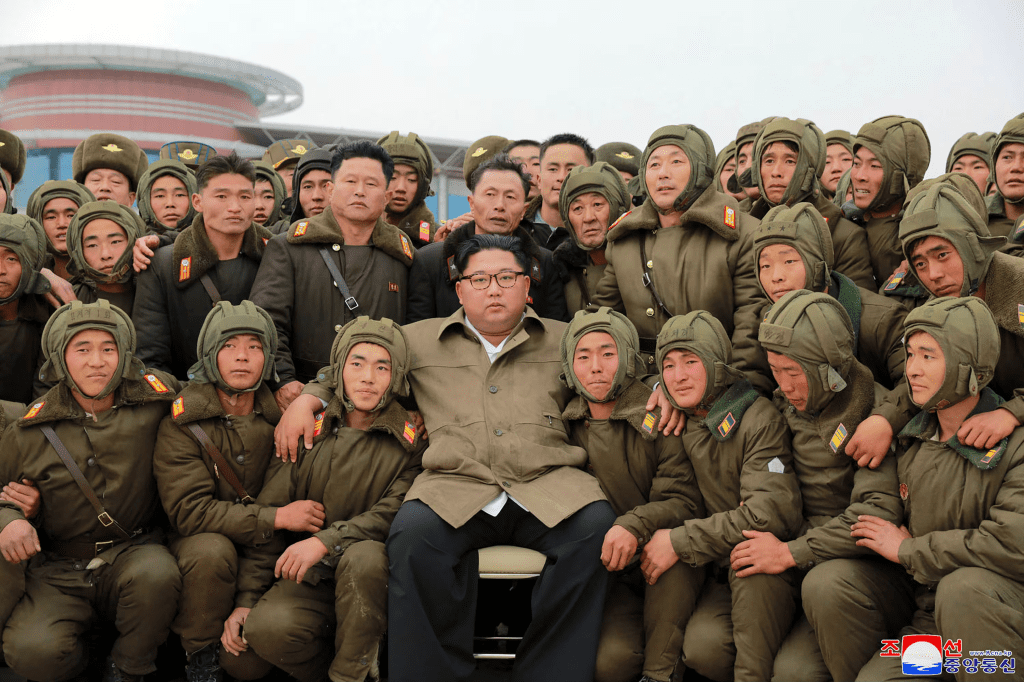
North Korea has escalated tensions with a provocative statement, declaring its readiness to take military action against the United States, Japan, and South Korea in response to perceived security threats. The announcement, reported on July 14, 2025, by state-run Korean Central News Agency, follows a recent trilateral air drill involving a U.S. B-52H strategic bomber near Jeju Island, which Pyongyang condemned as a dangerous provocation.
The North Korean Defense Ministry described the joint exercises as “the main danger factors heightening military tension” on the Korean Peninsula, warning of “grave consequences” if such actions persist. The statement reflects Pyongyang’s longstanding pattern of responding to U.S.-led military cooperation with aggressive rhetoric, often citing these drills as rehearsals for invasion. This latest threat comes amid growing concerns over North Korea’s deepening military ties with Russia, including troop and arms support for Moscow’s war in Ukraine, raising fears of potential technology transfers.
Analysts view the statement as both a defensive posture and a strategic signal to domestic and international audiences. While North Korea has not specified the nature of its threatened actions, the vague wording leaves room for escalation, from missile tests to border provocations. The U.S., South Korea, and Japan have yet to respond officially, but the drill underscores their commitment to countering North Korea’s nuclear and missile advancements.
The timing, coinciding with heightened global attention on North Korea’s activities, amplifies the stakes. As diplomatic efforts falter, the region braces for potential fallout. Observers warn that miscalculations could spiral, given the regime’s history of unpredictable responses. For now, the international community watches closely, urging restraint to avoid further destabilization in an already volatile region.