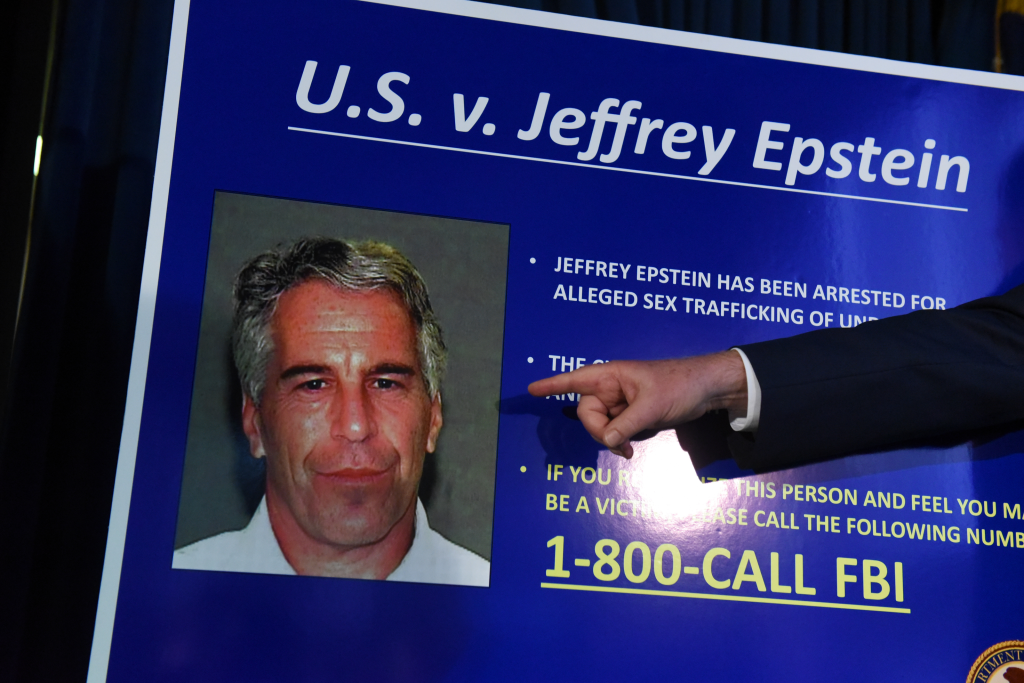
The question of whether to support the release of the Jeffrey Epstein files, particularly if they could implicate former President Donald Trump and potentially lead to his imprisonment, elicits a firm “NO” from some quarters. This stance, rooted in concerns over fairness, political motivations, and societal impact, sparks heated debate in July 2025. As a journalist, I aim to explore the reasons behind opposing the files’ release, the implications for Trump, and the broader context of justice and transparency in a polarized America.
Opponents argue that releasing the Epstein files risks weaponizing sensitive information for political gain. Trump, a polarizing figure central to the “America First” agenda, has faced relentless scrutiny, including what supporters call “witch hunts” like the Steele dossier or impeachment trials. The absence of legal action from Trump against claims of his involvement, as noted by Rep. Eric Swalwell, fuels speculation, but critics of release contend that unverified documents could be manipulated to target him unfairly. With Trump’s history of litigation—over 4,000 lawsuits in his career—his restraint here suggests either strategic caution or confidence in his innocence, not guilt.
The files, potentially containing names of high-profile figures, could destabilize an already divided nation. Epstein’s case, with 193 potential victims and connections to global elites, is a powder keg. Releasing unredacted documents risks ruining reputations without due process, especially if allegations lack corroboration. Trump’s known interactions with Epstein, limited to social encounters in the 1990s and early 2000s, have not produced concrete evidence of wrongdoing. Supporters argue that thrusting him into a legal firestorm based on speculation undermines justice, particularly when other figures, like Bill Clinton, also linked to Epstein, face less public outcry.
Moreover, the timing raises concerns. In 2025, Trump’s administration is pushing bold policies, from quadrupling ICE arrests to abolishing property taxes, galvanizing his base. Releasing the files could disrupt these efforts, diverting focus from issues like North Carolina’s recovery from Hurricane Helene or the National Farm Security Action Plan. Critics of release argue that the public deserves clarity but only through vetted legal channels, not a document dump that could incite chaos or violence, as seen in the recent Texas ambush on ICE agents.
Advocates for transparency, however, see withholding the files as a cover-up, arguing that victims deserve justice and the public deserves truth. Yet, opponents counter that selective leaks or biased interpretations could taint the process, especially in a climate where trust in institutions is fragile. The Epstein case demands accountability, but rushing to release files risks prioritizing spectacle over substance. In July 2025, opposing their release reflects a belief that justice must be precise, not a tool for political vengeance, even if it means shielding figures like Trump from unproven allegations.