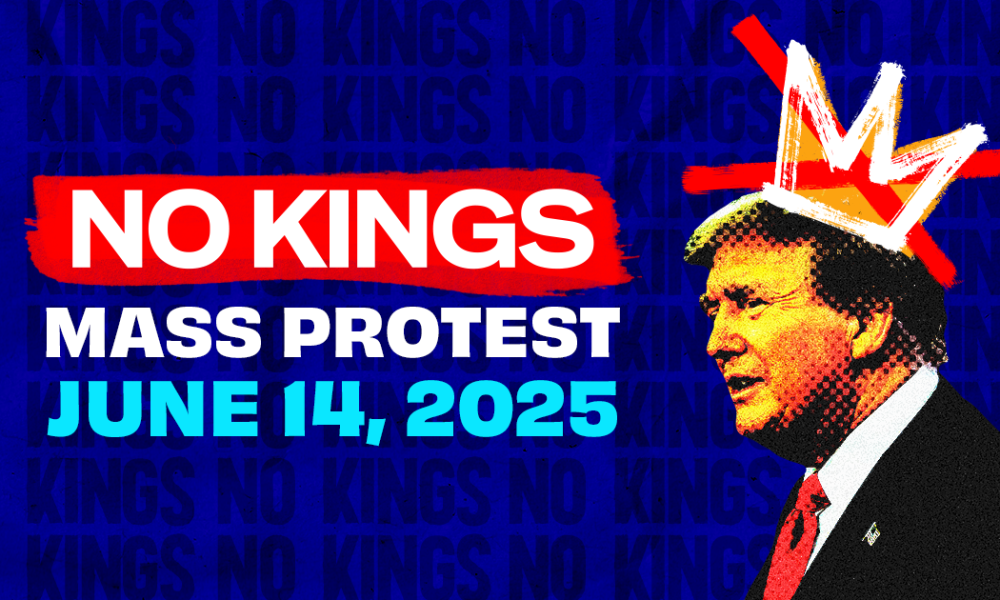
Washington, D.C., June 19, 2025—The “No Kings Day” protests on June 14, drawing an estimated 4-6 million Americans across 2,100 cities, have been branded by critics as “the dumbest day in American history” for their perceived lack of focus and failure to sway President Donald Trump’s policies. Aimed at rejecting Trump’s mass deportation program and military deployments as authoritarian, the demonstrations—marred by violence and lofty rhetoric—have sparked debate over their effectiveness. While organizers defend the movement’s scale, detractors argue it was a chaotic, counterproductive spectacle.
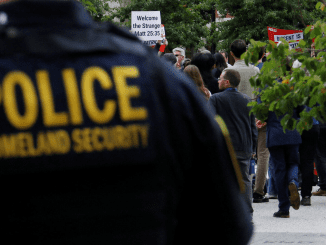
The protests, led by groups like the 50501 Movement and Indivisible, targeted Trump’s immigration crackdown, which has detained 150,000 undocumented immigrants and prompted 850,000 self-deportations since March, per DHS data. Demonstrators in Los Angeles, Philadelphia, and Seattle denounced the deployment of 700 Marines and 2,000 National Guard troops in Los Angeles, chanting “No kings!” to protest what they called Trump’s dictatorial overreach. Organizers claimed the turnout, rivaling the 2017 Women’s March, signaled widespread resistance to his 2024 landslide mandate (312 electoral votes, 50.2% popular vote).
Critics, however, dismiss the protests as poorly executed. The decision to avoid Washington, D.C., where Trump’s military parade celebrated the Army’s 250th anniversary, diluted their impact, leaving the administration unfazed. Violence in Los Angeles, with $50 million in damages and ten injured sheriff’s deputies, per LAPD reports, overshadowed the message, with 1,200 arrests for looting and arson. “It was a tantrum, not a strategy,” said a Texas GOP strategist, noting ICE’s arrests rose to 2,000 daily post-protest, per DHS. A Rasmussen Reports poll shows 59% of Republicans view the protests as orchestrated chaos.
Supporters argue the demonstrations amplified critical issues. In Chicago, 400 volunteers boosted anti-deportation efforts by 300%, per local organizers, while California’s lawsuit against ICE tactics gained momentum, securing a June 10 injunction. The protests highlighted the human toll, with 5.1 million U.S. citizen children at risk of losing parents, per the Center for American Progress. “We showed America’s not silent,” said Maria Torres of 50501, emphasizing solidarity. A Pew Research poll finds 46% of Americans share concerns about deportations’ economic impact, suggesting some public resonance.
Yet, tangible results remain scarce. Trump’s team, led by Stephen Miller, vowed to escalate deportations, aiming for 3,000 daily arrests, while federal troops stayed in Los Angeles despite state objections. The “No Kings” slogan, meant to evoke democratic ideals, was mocked as hyperbolic, given Trump’s electoral victory and lack of constitutional violations, per legal analysts. Political scientist Rachel Blum called the messaging “confused,” noting that equating Trump to a monarch alienated moderates, with 42% of independents in a Gallup poll viewing the protests as ineffective.
The protests’ legacy is further tainted by logistical missteps. In Los Angeles, misinformation about looting targets fueled chaos, per the Los Angeles Times, while Seattle’s protests fizzled after early clashes. With 1,800 more demonstrations planned, organizers face pressure to refine their strategy. Critics argue the day squandered momentum, failing to shift policy or public opinion, with 52% of Americans supporting deportations, per Pew. Supporters, however, see it as a spark for long-term resistance, citing increased voter registration drives.
“No Kings Day” stands as a polarizing moment—either a bold stand against perceived tyranny or a disorganized outburst that achieved little. As Trump pushes forward, undeterred, the protests’ impact remains more symbolic than substantive, leaving America to wrestle with its divisions over immigration, power, and protest itself.