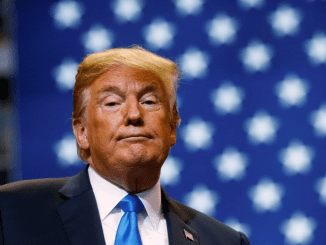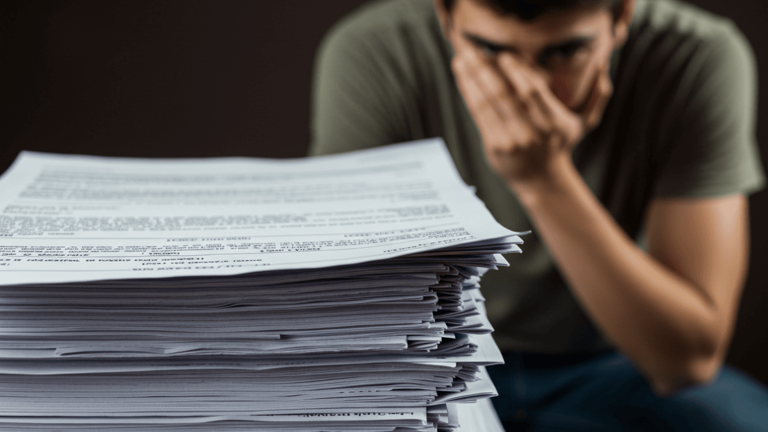
In a jarring development for millions of Americans, nearly two million student loan borrowers are at risk of having their wages garnished starting this summer, as the federal government resumes aggressive collection efforts. The Wall Street Journal reports that roughly six million federal student loan borrowers are 90 days or more past due, with about a third—approximately 1.8 million—projected to enter default by July 2025, triggering automatic deductions of up to 15% of their paychecks. This marks a sharp escalation from earlier estimates of 1.2 million, with an additional one million borrowers expected to default by August and two million more by September, according to credit-reporting agency TransUnion. As the nation grapples with economic uncertainty, this policy shift under the Trump administration is reigniting debates over student debt and financial fairness.
The resumption of wage garnishment follows the end of a five-year pandemic-era pause on involuntary collections, lifted in May 2025 by the U.S. Department of Education. The Treasury Offset Program, which can withhold up to 15% of wages, tax refunds, or even Social Security benefits, is now targeting defaulted borrowers—those 270 days or more behind on payments. In May, 195,000 borrowers received 30-day notices of impending federal benefit offsets, with emails sent to 5.3 million defaulted borrowers warning of wage deductions. The Education Department’s push reflects a stance articulated by Secretary Linda McMahon: taxpayers shouldn’t bear the burden of unpaid loans. With 43 million borrowers owing $1.6 trillion, the scale of the crisis is staggering.
Economic conditions are exacerbating the issue. The New York Federal Reserve projects that over nine million borrowers will see credit score drops in 2025, with delinquent borrowers already losing an average of 60 points, per TransUnion. A tougher job market, particularly for recent graduates, compounds the strain, with Business Insider noting that Gen Z faces a hiring slowdown and roles mismatched with their degrees. Teachers like Jason Collier, a Virginia special education instructor, fear garnishment will deepen financial hardship, especially for those juggling medical or family expenses. Borrowers in default also risk losing eligibility for deferments or additional aid, further limiting options.
Critics argue the system is punishing the vulnerable. Consumer advocates like James Kvaal, former undersecretary of education, highlight chaotic loan servicing, with borrowers like Maryland retiree Paul facing confusion over account management between servicers like Mohela and Navient. A 2025 Consumer Financial Protection Bureau report notes 450,000 older borrowers risk Social Security cuts, despite a temporary pause on such actions. The Biden-era SAVE plan, which offered lenient repayment terms, was blocked by a 2025 court ruling, leaving eight million borrowers facing higher payments. The Education Department’s reduced staff—cut by nearly half—has led to hours-long hold times, frustrating borrowers seeking repayment plans.
Supporters of the policy, however, see it as enforcing accountability. With 38% of borrowers current on payments, per the Education Department, officials argue that defaulted loans burden taxpayers. Options like income-driven repayment or loan rehabilitation, requiring nine on-time payments, remain available, though only 9% of delinquent borrowers have caught up. A 2025 Rasmussen poll shows 62% of Americans support stricter debt enforcement, reflecting frustration with perceived “freeloading.” Trump’s “no tax on tips” proposal and economic gains, like the Dow Jones at 45,000, bolster arguments that a strong economy should incentivize repayment.
The broader implications are profound. Garnishment could reduce disposable income for millions, potentially curbing consumer spending and impacting industries like retail, already bracing for tariff-driven price hikes. A 2025 Brookings study warns of a $300 billion economic hit from labor shortages tied to related policies like deportations. Meanwhile, 45% of Mississippi borrowers are delinquent, per the New York Fed, highlighting regional disparities, particularly among non-graduates and trade school attendees.
As summer looms, the garnishment threat tests America’s approach to its $1.6 trillion student debt crisis. While the Trump administration frames it as fiscal responsibility, critics see a system failing borrowers, especially those least equipped to pay. With legal challenges pending and the 2026 midterms approaching, the debate over fairness versus accountability will shape voter sentiment. For now, nearly two million borrowers face a harsh reality: pay up or lose a chunk of their wages, in a nation wrestling with the cost of education and the price of default.