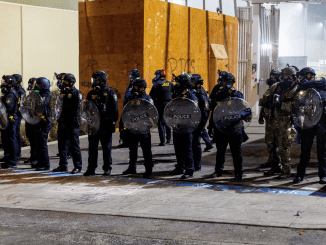
In a surprising turn, a growing number of Mexican Americans are taking to social media to express support for the recent expansion of Immigration and Customs Enforcement (ICE) operations under President Donald Trump’s administration. As ICE ramps up its presence in major U.S. cities, targeting undocumented immigrants for deportation, some Mexican American voices are breaking ranks with traditional community sentiment, arguing that these efforts prioritize public safety and legal accountability. This emerging perspective is sparking heated debate, reflecting the complex dynamics of identity, security, and immigration policy.
The Trump administration’s aggressive immigration crackdown, launched in early 2025, has seen ICE arrest thousands nationwide, with daily totals reaching as high as 1,179 in a single day. The operations, now extended to all major cities, focus on individuals with criminal records but also include “collateral arrests” of non-criminal undocumented immigrants. While these actions have drawn protests and accusations of racial profiling, a segment of Mexican Americans is publicly backing ICE, citing concerns about crime and the need for lawful immigration processes.
On social media platforms, Mexican American supporters share personal stories and frustrations, often emphasizing their own legal status or family histories of immigration through proper channels. Many argue that unchecked immigration harms communities, including their own, by straining resources and enabling crime. Some point to high-profile cases, like the murder of Laken Riley by a Venezuelan migrant, as evidence of the risks posed by lax enforcement. These voices frame their support not as a rejection of their heritage but as a call for fairness and security, urging respect for the legal pathways their families followed.
This stance is not without controversy. Mexican American communities have historically opposed stringent immigration policies, viewing them as divisive and discriminatory. The fear of profiling is real—reports have surfaced of U.S. citizens, including those of Mexican descent, being questioned or detained during ICE sweeps. A 2021 study estimated that ICE wrongfully detained hundreds of citizens, raising alarms about overreach. Critics argue that supporting ICE risks endorsing a system that disproportionately targets Latinos, regardless of status, and fractures community trust.
Yet, supporters counter that their position reflects pragmatic concerns. They highlight ICE’s data, which shows 32,809 arrests in the first 50 days of 2025, including 1,155 gang members and 39 suspected terrorists. For some Mexican Americans, these figures justify the operations, particularly in neighborhoods where gang violence and drug trafficking hit close to home. They argue that prioritizing criminal deportations protects law-abiding residents, including those in Latino communities, who often bear the brunt of such crimes.
The debate is further complicated by economic realities. In cities like Chicago, undocumented immigrants make up significant portions of industries like construction and hospitality—sectors where many Mexican Americans also work. Some supporters of ICE argue that deportations could open jobs for citizens, while others fear the economic fallout, with businesses already reporting labor shortages. This tension underscores the delicate balance between enforcement and community stability.
As the ICE operations continue, the voices of Mexican Americans on social media highlight a broader divide. For every post cheering ICE’s efforts, others condemn the fear and disruption sown in their communities. The administration’s push for 1 million annual deportations, backed by an expanded detention capacity, shows no signs of slowing, forcing Mexican Americans to navigate their dual identities as both cultural advocates and citizens demanding order. Whether this support grows or fades will depend on how ICE’s actions unfold—and whether they can avoid the mistakes of the past.