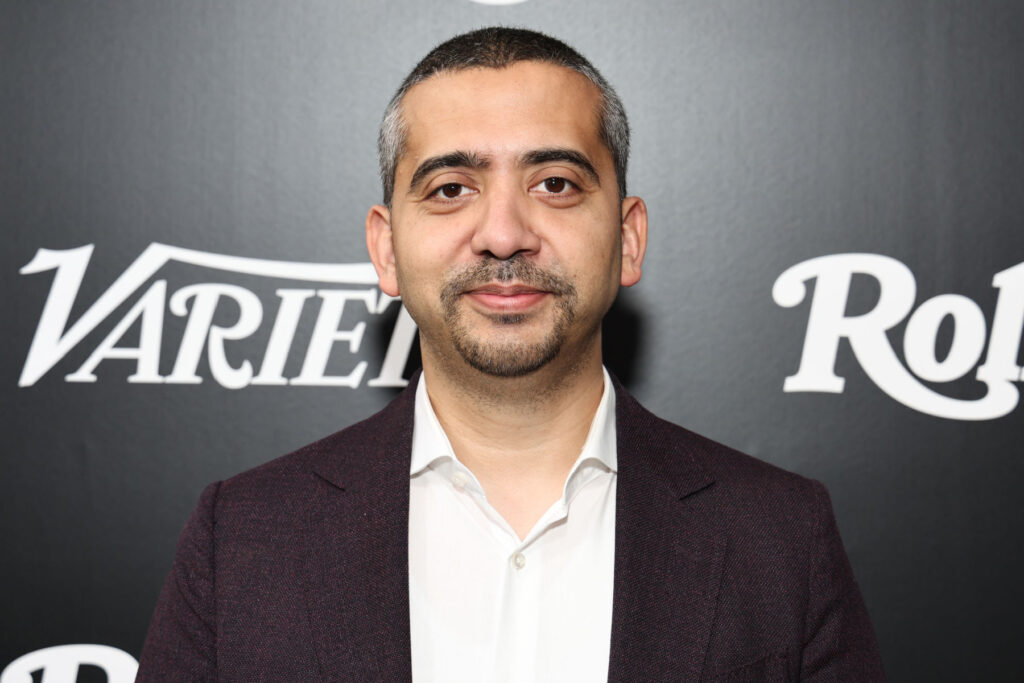
WASHINGTON, D.C. – British-American journalist Mehdi Hasan sparked a national uproar on October 21, directly confronting American Christians at the tail end of the massive “No Kings” protests, insisting that if church bells can ring freely across the country, mosques should broadcast the Islamic call to prayer without hindrance. “I think if you can play church bells, you can play the call to prayer. We are as American as anyone else and don’t take any BS from anyone,” Hasan declared in a viral video from the Washington rally, framing it as a First Amendment imperative for equal religious expression.
The adhan, Islam’s melodic five-times-daily summons to worship—broadcast at dawn, midday, afternoon, sunset, and nightfall—serves as a communal anchor for the nation’s 3.5 million Muslims. Hasan, the 46-year-old Zeteo editor-in-chief and former MSNBC host, positioned his plea amid the 7 million-strong demonstrations against Trump’s immigration crackdown, including 515,000 deportations and $10 billion in fines prompting 1.6 million self-removals. For Hasan, it’s about parity: Church bells, a colonial-era staple, toll sporadically without uproar, yet adhan broadcasts face scrutiny in places like Hamtramck, Michigan—the first Muslim-majority city council—despite legal safeguards.
The response was swift and savage. Texas Congressman Brandon Gill fired back, tweeting that Hasan’s push ignores his Christian wife’s aversion to “oppressive Muslim prayer calls” and urging him to “go back to the UK.” Hasan retorted by highlighting Gill’s Indian-American wife, daughter of commentator Dinesh D’Souza, escalating into a viral feud. Daily Wire host Matt Walsh piled on, snarling, “Christianity built this country. Islam did not… you ungrateful little b*tch.” Hasan clapped back, “Spoken like a true Christian.”
Conservatives decried it as cultural imposition, with Fox News analysts arguing bells announce worship while adhan proselytizes, potentially violating noise ordinances. Supporters, including CAIR, hailed it as pluralism’s litmus test, noting both practices are constitutionally shielded if non-disruptive. Polls reflect the divide: 58% of Republicans oppose adhan broadcasts, versus 62% of Democrats favoring them.
As “No Kings” momentum wanes and a “red tsunami” brews for 2026 midterms, Hasan’s words expose fault lines: Religious equity or echo of eroding traditions? In a nation of steeples and minarets, the call—melodic or mocking—resounds.