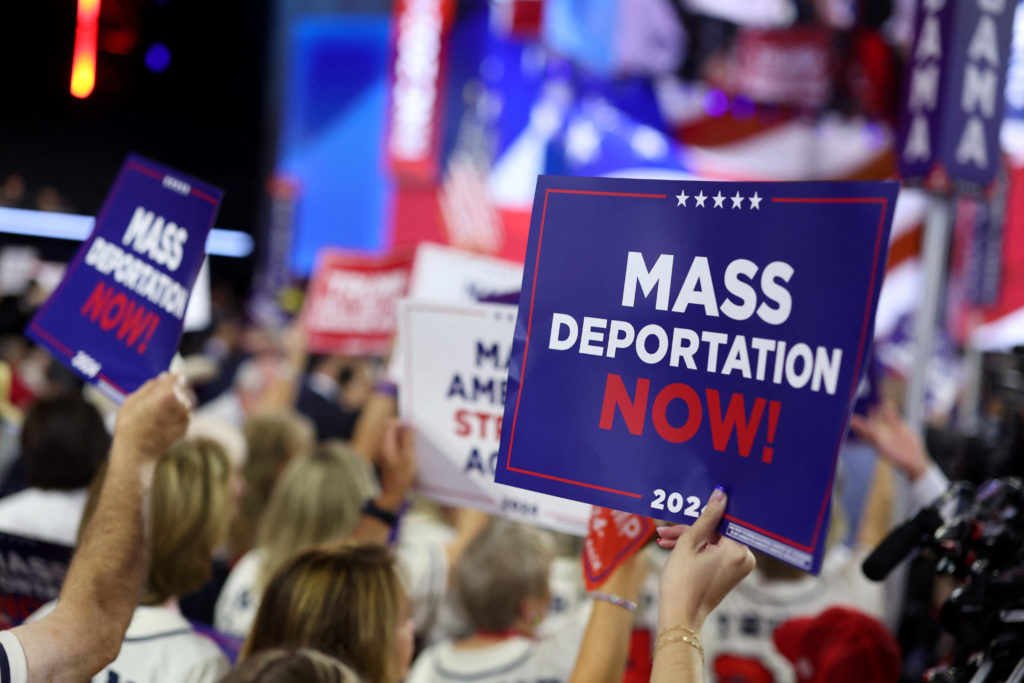
The rallying cry for mass deportations has resurfaced with vigor under President Donald Trump’s second term, encapsulated in the sentiment: “Our immigration system doesn’t need tweaks. We need mass deportations. No more games. No amnesty.” This uncompromising stance, championed by supporters and echoed by Border Czar Tom Homan, reflects a growing demand for aggressive immigration enforcement. As a journalist, I aim to explore the implications of this push, its feasibility, and the deep divisions it fuels in America as of July 2025.
Trump’s administration has made no secret of its goal to execute large-scale deportations, targeting millions of undocumented immigrants. In Colorado alone, ICE arrests have quadrupled, with over 6,000 detentions in the first half of 2025, signaling a dramatic escalation from Biden-era policies. Homan’s recent claim that ICE must arrest 7,000 individuals daily to reverse past inflows underscores the scale of this ambition. Supporters argue this approach restores law and order, prioritizing American citizens’ economic and security interests. They point to government data estimating that 425,000 undocumented immigrants with criminal records remain at large, framing mass deportations as a public safety necessity.
The logistical reality, however, is daunting. ICE currently detains 51,000 immigrants, a near-record high, but lacks the infrastructure for millions of annual deportations. The 2025 spending bill allocated $31 billion for ICE and $45 billion for detention centers, yet Homan admits that 100,000 additional beds and thousands more agents are needed. Beyond resources, the human toll sparks fierce debate. In states like Alabama, where immigrant labor fuels agriculture, mass deportations could disrupt local economies, with farmers already reporting labor shortages. Critics warn of humanitarian crises, noting that 47 percent of current ICE detainees have no criminal convictions, risking the uprooting of families and communities.
Opponents also highlight the social cost. Protests in cities like Denver and Los Angeles reflect growing resistance, with sanctuary city leaders vowing to shield migrants. The recent ambush on ICE agents in Texas, where ten individuals were charged with attempted murder, underscores the volatile climate surrounding enforcement. Critics argue that calls for “no amnesty” inflame tensions, potentially escalating violence against agents and communities alike. They advocate for comprehensive reform, including pathways to citizenship, as a more sustainable solution.
The push for mass deportations aligns with Trump’s “America First” agenda but faces legal, economic, and ethical hurdles. While supporters see it as a decisive end to decades of lax enforcement, detractors warn it risks alienating allies, straining resources, and deepening national divides. As the administration ramps up operations, the question looms: can mass deportations deliver the promised security, or will they fracture an already polarized nation? In July 2025, the answer remains uncertain, but the stakes could not be higher.