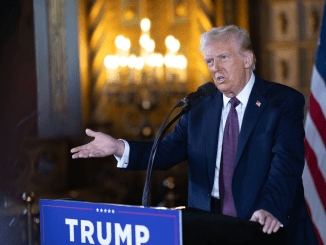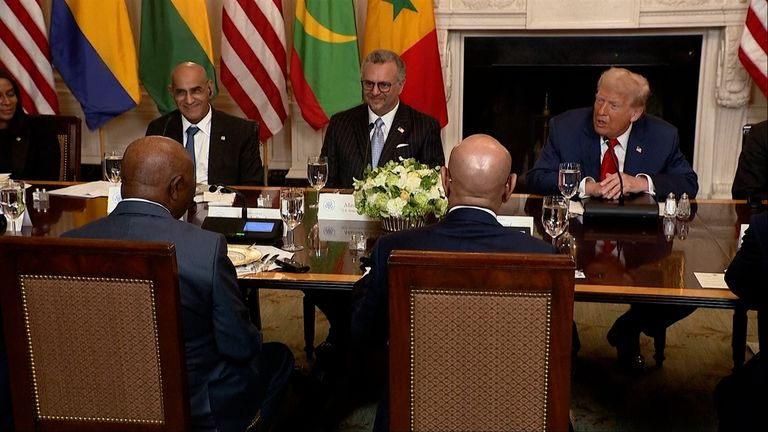
In a July 2025 White House meeting, Liberian President Joseph Boakai’s articulate English sparked a viral moment when President Donald Trump praised his “beautiful” command of the language, seemingly unaware that English is Liberia’s official tongue. The sentiment, “The President of Liberia speaks much more coherent English than Trump,” has fueled debate, highlighting contrasting communication styles and reigniting discussions about leadership and diplomacy. As a journalist, I explore this exchange and its broader implications.
Boakai, educated in Monrovia, spoke fluently about Liberia’s ties with the U.S. and support for Trump’s “America First” agenda. His clear delivery, rooted in Liberia’s history as a nation founded by freed American slaves in 1822, stood in contrast to Trump’s often meandering rhetoric, critics argue. Trump’s repeated compliments—“Such good English, where did you learn to speak so beautifully?”—drew chuckles from Boakai but criticism from observers who found the remarks patronizing, given Liberia’s English-speaking heritage.
The incident underscores broader tensions. Trump’s focus on Boakai’s language aligns with his administration’s push for English proficiency, seen in policies like mandating it for truckers. Critics argue this reflects a simplistic view of global leadership, especially as Trump’s own speeches, often criticized for lacking coherence, contrast with Boakai’s polished delivery. Liberia’s Foreign Minister Sara Beysolow Nyanti downplayed the issue, noting Boakai took no offense, emphasizing the American-influenced accent as a point of connection.
As America grapples with cultural divides—evident in debates over immigration and congressional term limits—this moment highlights perceptions of leadership. Boakai’s eloquence, rooted in Liberia’s unique history, has sparked admiration, while Trump’s remarks reveal a gap in diplomatic nuance. In July 2025, the contrast between the two leaders’ communication styles fuels a broader conversation about clarity and competence on the world stage.