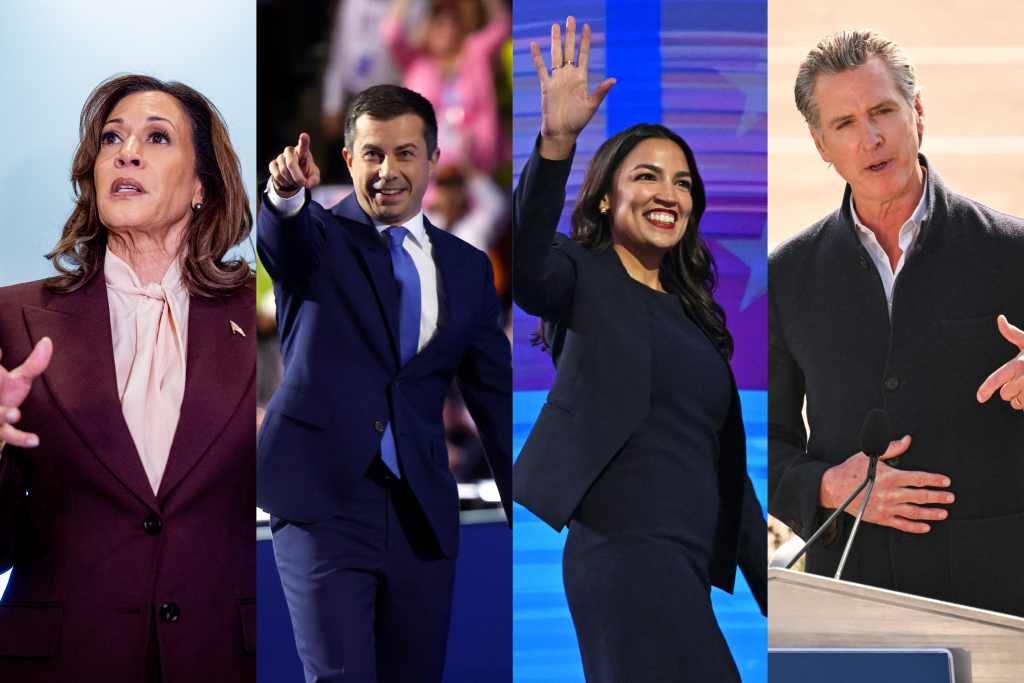
On August 24, 2025, former Vice President Kamala Harris became the first major Democrat to signal a 2028 presidential run, setting the stage for a potential showdown with Vice President JD Vance, the presumed Republican frontrunner. Harris, leveraging her $1 billion fundraising success from the 2024 campaign, announced exploratory moves at a Los Angeles rally, emphasizing economic opportunity and social justice. Polls show her leading Democratic contenders with 37% support, followed by California Governor Gavin Newsom at 7% and former Transportation Secretary Pete Buttigieg. A July 2025 Emerson College poll indicates Harris holds a slight edge over Vance, 45% to 42%, though 13% of voters remain undecided.
Vance, bolstered by a 46% lead among GOP primary voters, has solidified his MAGA credentials with a tiebreaking vote on Trump’s “One Big Beautiful Bill,” which Democrats criticize for Medicaid cuts. Harris’s team is capitalizing on this, framing Vance as a “billionaire bootlicker” who betrays working families. However, Vance’s appeal in Rust Belt states and his debate performance against Tim Walz in 2024 make him a formidable opponent. Harris faces challenges, including her 2024 loss and struggles to connect with rural voters, but her strong name recognition and progressive base give her an edge in a crowded Democratic field.
As Newsom and Buttigieg make early moves in primary states like South Carolina, the 2028 race is heating up. Harris’s ability to unify Democrats and counter Vance’s populist rhetoric will be critical in this high-stakes battle.