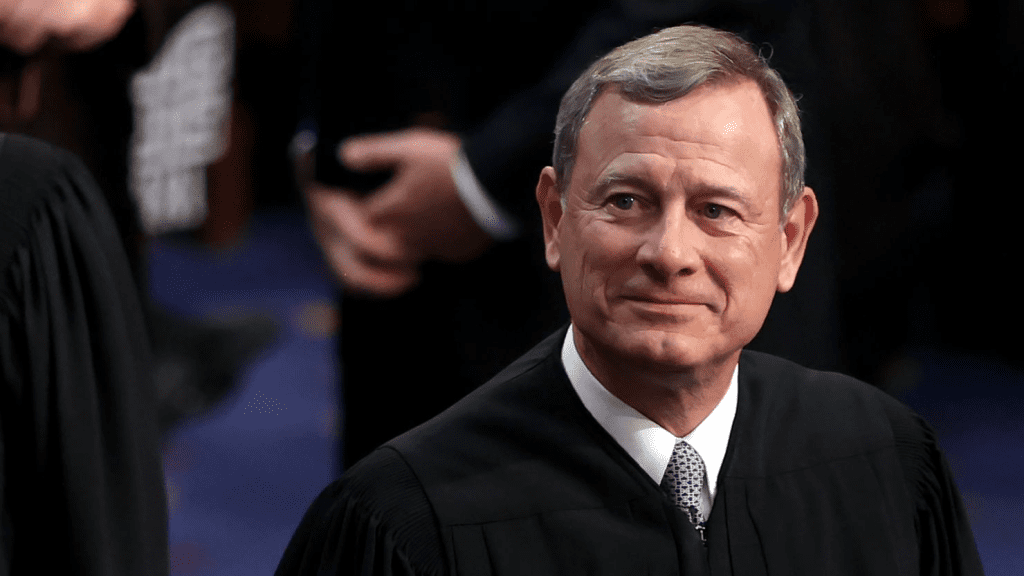
Lawyer and writer Lisa Needham’s scathing critique of Chief Justice John Roberts, claiming he has overseen the “wholesale corruption and capture of the Supreme Court,” has ignited debate in July 2025. Her assertion that history should view his tenure with “revulsion” reflects growing concerns about the Court’s impartiality. As a journalist, I aim to explore the accusations against Roberts, the context of his leadership, and the polarized reactions shaping perceptions of the Supreme Court’s legacy.
Appointed in 2005 by President George W. Bush, Roberts has led the Court through divisive rulings, from Citizens United to Dobbs. Critics like Needham argue his tenure has eroded public trust, pointing to ethical scandals and perceived partisan bias. Recent controversies, such as undisclosed gifts to Justice Clarence Thomas and Justice Samuel Alito’s flag-related disputes, fuel claims of corruption. The Court’s 2024 decision in Trump v. United States, granting broad presidential immunity, drew accusations of favoritism, especially as Trump’s policies—like quadrupling ICE arrests—dominate headlines. Needham and others see Roberts as complicit, failing to enforce ethical standards or curb the Court’s conservative tilt.
Roberts’ defenders counter that he navigates a deeply divided nation with restraint. His majority opinion in Moore v. United States (2024), upholding tax provisions, and his swing vote in Obergefell (2015) show efforts to balance competing interests. Supporters argue that blaming Roberts for the Court’s composition ignores the Senate’s role in confirmations and the broader polarization, evident in debates over issues like congressional term limits or foreign farmland ownership. They contend that ethical lapses, while concerning, are individual, not systemic, and Roberts’ push for a voluntary ethics code in 2023 reflects accountability.
The charge of “wholesale corruption” taps into broader distrust. With 8% of Americans as millionaires compared to over 50% of Congress, as noted in calls to “drain the swamp,” skepticism of elites extends to the judiciary. Critics argue Roberts has failed to shield the Court from political capture, pointing to its conservative supermajority—six of nine justices appointed by Republican presidents. Decisions overturning precedents like Roe v. Wade fuel perceptions of a Court serving ideological agendas, not justice. Yet, defenders note that justices like Ketanji Brown Jackson, despite criticism, add diverse perspectives, and Roberts cannot unilaterally control outcomes.
The Supreme Court’s plummeting approval—down to 40% in 2025 Gallup polls—underscores the stakes. As North Carolina grapples with Hurricane Helene’s aftermath and cultural battles like Pride Night controversies rage, the Court’s role as a neutral arbiter is questioned. Needham’s call for historical “revulsion” reflects fears that Roberts’ legacy will be defined by eroded trust. In July 2025, whether his tenure is marked by corruption or merely a reflection of a fractured era remains contentious, shaping the Court’s future and America’s faith in justice.